


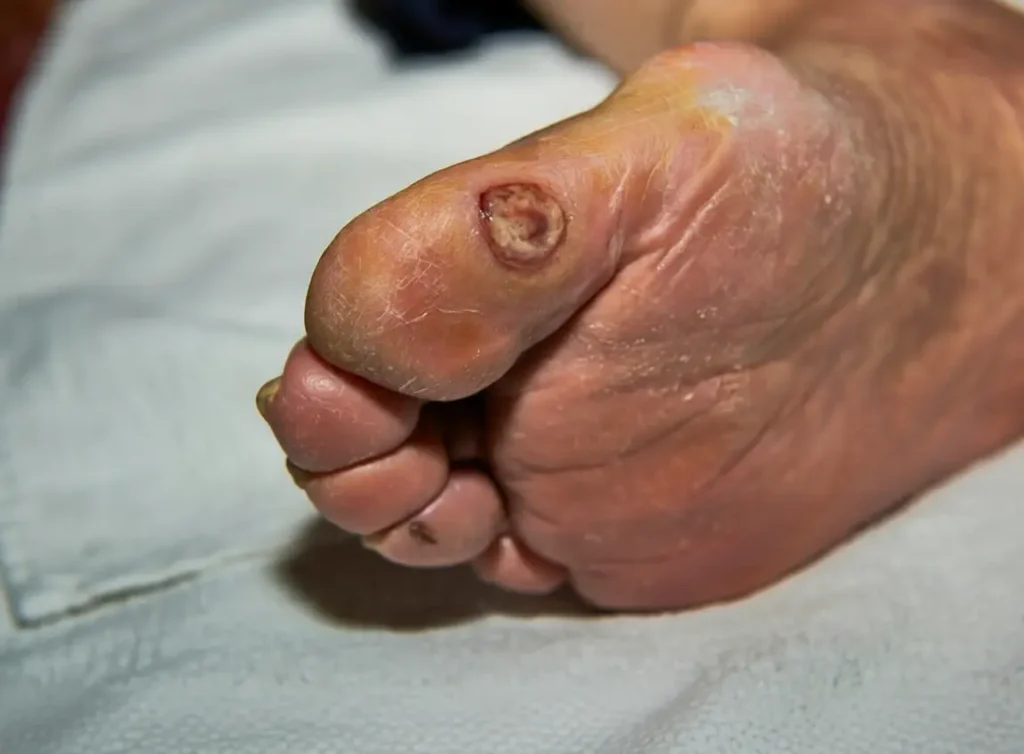
Foot problems related to diabetes often begin quietly. A small blister, cut, or pressure point can quickly become serious if it goes unnoticed or untreated. That’s why understanding diabetic foot ulcer symptoms early is extremely important.
Many people with diabetes have reduced sensation in their feet, making it harder to notice injuries. Without proper care, these wounds may develop into infections or ulcers that become difficult to heal.
Platte River Foot & Ankle Surgeons provides personalised diabetic foot care across Nebraska to help patients reduce complications and protect long-term foot health.
What Are Diabetic Foot Ulcers?
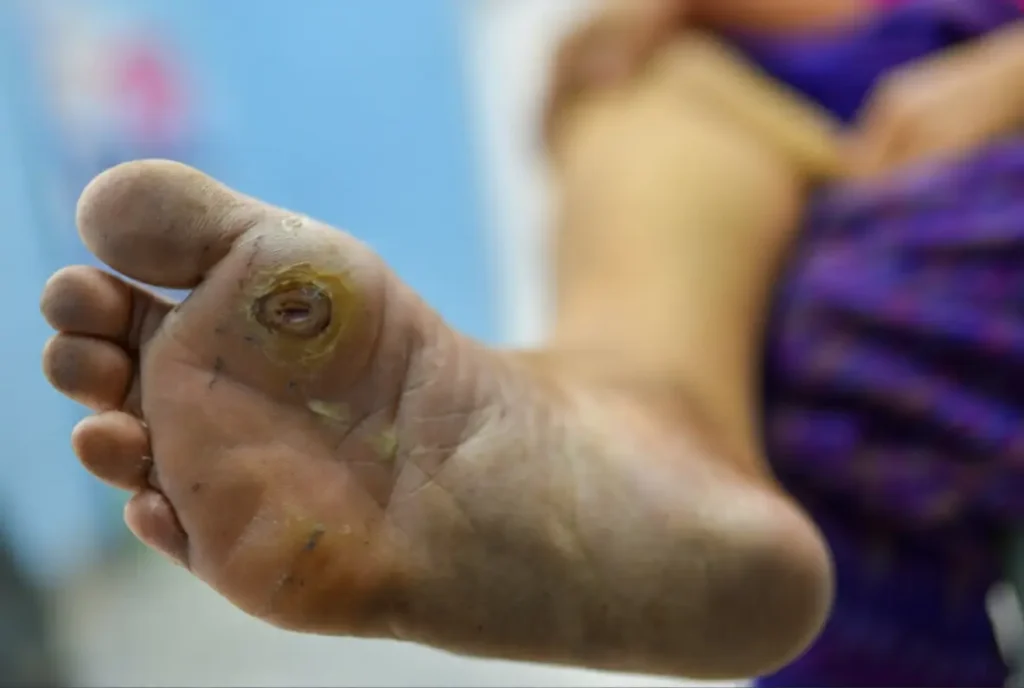
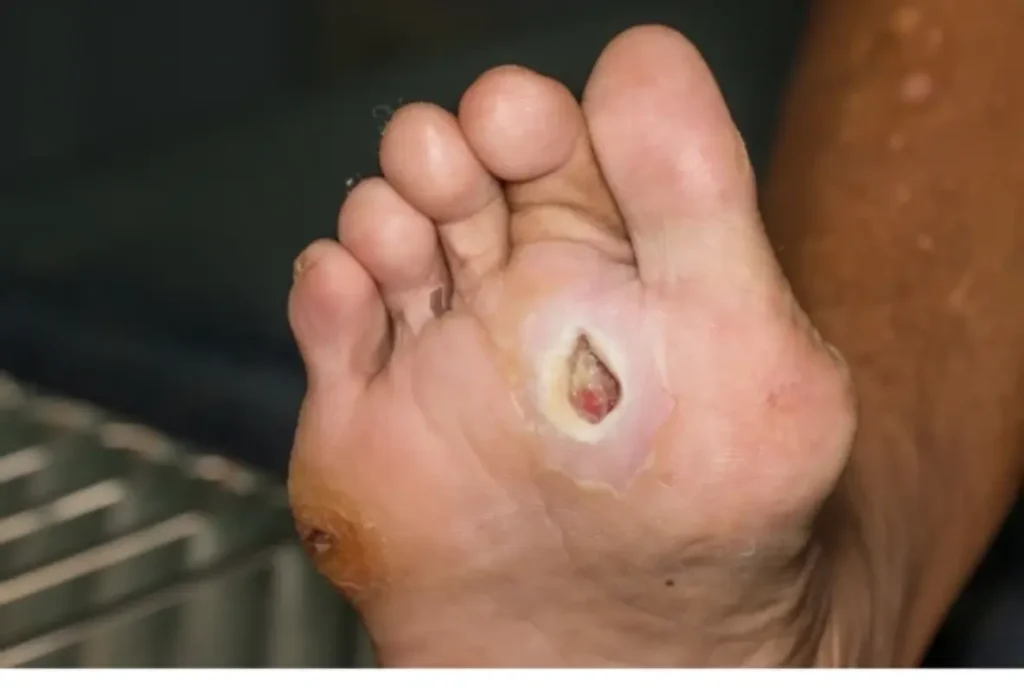
Diabetic foot ulcers are open wounds that usually develop on the bottom of the foot or around pressure areas. They often begin from small injuries that heal slowly due to poor circulation and nerve damage.
Recognising diabetic foot ulcer symptoms early can help prevent serious complications. Redness, drainage, swelling, skin breakdown, or unusual odour are common warning signs.
Understanding diabetic foot ulcer causes also helps patients reduce risks before ulcers become severe.
Common Diabetic Foot Ulcer Symptoms to Watch For
Many patients do not realise they have a problem until the wound becomes painful or infected. That is why monitoring your feet daily is essential.
Some of the most common diabetic foot ulcer symptoms include swelling, redness, drainage in socks, slow-healing wounds, skin discoloration, or numbness in the feet.
Even a small sore should never be ignored because untreated ulcers can worsen quickly and increase infection risk.
What Causes Diabetic Foot Ulcers?
There are several major diabetic foot ulcer causes, but nerve damage and poor circulation are among the most common. When sensation decreases, patients may not feel cuts, blisters, or pressure injuries.
Poor blood flow also slows healing, making wounds more vulnerable to infection. Tight footwear, friction, and prolonged pressure further increase risk.
Understanding these diabetic foot ulcer causes allows patients to take preventive steps earlier and reduce complications.
Why Custom Treatment Plans Matter
Every diabetic foot condition is different, which is why personalised treatment is so important. Some patients need wound care, while others may require pressure relief, infection management, or specialised footwear.
Custom plans help target the exact cause of the problem instead of only treating symptoms. This improves healing outcomes and lowers the risk of long-term complications.
At Platte River Foot & Ankle Surgeons, specialists create tailored diabetic foot care services based on each patient’s condition, circulation, and lifestyle.
Preventing Infection and Amputation Risk
One of the biggest dangers of untreated ulcers is infection. If infection spreads into deeper tissue or bone, the risk of serious complications increases significantly.
Early treatment of diabetic foot ulcer symptoms can help prevent hospitalisation and reduce amputation risk. Regular monitoring and professional care make a major difference.
Routine foot checks and proper diabetic foot care services are essential for protecting mobility and overall health.
Daily Habits That Help Protect Diabetic Feet
Good foot care habits can lower the chances of developing ulcers. Patients should inspect their feet daily for cuts, redness, swelling, or skin changes.
Wearing properly fitted shoes and avoiding barefoot walking also helps reduce injury risk. Moisturising dry skin and trimming nails carefully are equally important.
These simple habits support long-term prevention alongside professional diabetic foot care services.
Diabetic Foot Care Services Across Nebraska
Platte River Foot & Ankle Surgeons helps patients across Hastings, Gretna, Omaha, Grand Island, Norfolk, Lincoln, Wahoo, Hebron, Falls City, Auburn, York, Kansas, Kearney, and Bartlesville OK with expert foot and ankle care, helping patients manage ulcers, infections, circulation concerns, and nerve-related foot problems.
Their team offers wound care, custom orthotics, pressure relief solutions, infection treatment, and preventive evaluations designed to reduce complications.
Patients across Omaha, Lincoln, Grand Island, Hastings, Gretna, Norfolk, Wahoo, Auburn, York, and surrounding areas receive personalised care focused on early intervention and long-term foot health.
When Should You See a Foot Specialist?
If you notice redness, swelling, drainage, numbness, or wounds that are not healing, it’s important to seek medical attention quickly.
Delaying treatment can allow ulcers to worsen and increase the risk of infection. Early care often leads to faster healing and better outcomes.
Professional evaluation of diabetic foot ulcer symptoms helps prevent complications before they become more serious. Diabetic foot problems should never be ignored. Understanding diabetic foot ulcer symptoms early can help prevent infection, serious complications, and long-term mobility issues.
With proper monitoring, daily care, and professional treatment, many ulcers can be prevented before they become dangerous.