Introduction
Minimalist shoes are in the spotlight. Whether it’s social media influencers, runners, or fitness enthusiasts, it seems everyone is ditching the thick soles and stiff, structured shoes for lightweight, flexible, and zero-drop options.
A person could come to a podiatrist’s office wearing a brand new pair of shoes and inquire, “Are these shoes good for my feet?”
The straightforward answer is: It depends.
Minimalist shoes have some advantages: they provide more room for the toes, they create awareness of the ground, and more active use of the foot muscles. However, they can also increase the strain on your feet, calves, Achilles tendon, and lower legs. The minimalist shoes risk may be greater than the benefits for some, particularly those who change their footwear too rapidly.
But it’s not a bad thing if you have minimalist shoes. That just means that what works for one individual might not work for another!
There are a number of factors that all contribute, such as your foot structure, strength, mobility, injury history, daily activities, or your walking or running mechanics. If you take the time to understand these factors, you can make a better choice about whether or not you should keep minimalist shoes in your wardrobe.
So, let’s examine the pros, the cons, the dangers, and what you need to know before switching.
What Are Minimalist Shoes, Exactly?
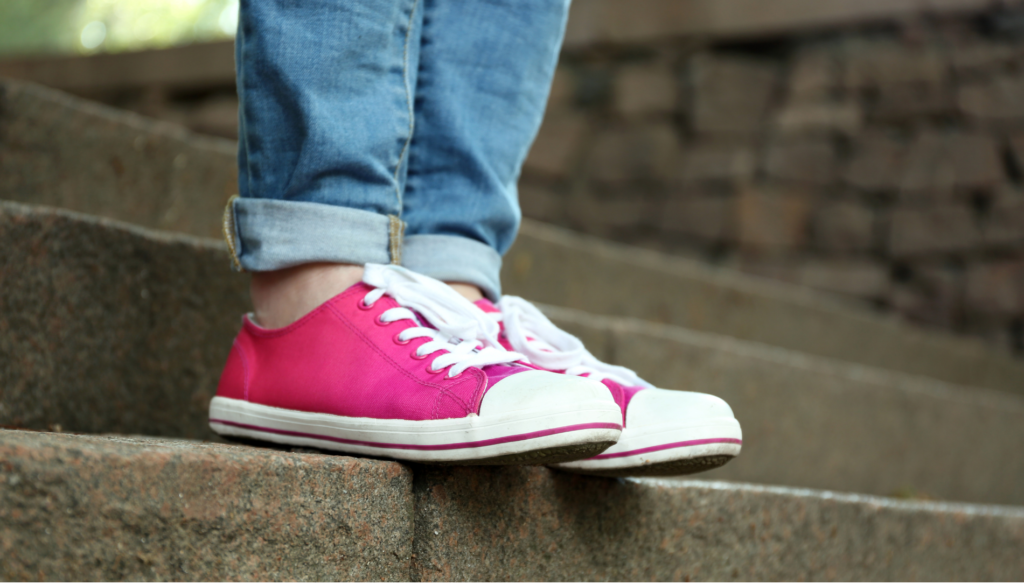
Minimalist shoes are created to both fit and feel as naturally as possible. Styles may differ, but they tend to have some common characteristics.
Thin and flexible soles
The sole of a minimalist shoe is typically thin and flexible, as opposed to the thick, stiff sole found in many sports shoes. This makes it more flexible for the foot to move and bend, and makes you more aware of what you’re stepping on.
A thin sole does not provide as much cushioning or protection, though, particularly on hard ground like pavement or concrete.
Zero Drop or Low Drop Design
A lot of minimalist shoes will be zero drop, that is, the heel and the forefoot will be on the same level. Traditional shoes feature a higher heel.
Switching from a raised heel to a flatter shoe can change how your muscles and tendons work. The calves and Achilles tendon, in particular, may experience greater demands during the transition.
Wide Toe Boxes
A wider toe box is another characteristic. This provides more space for toes to spread rather than being squeezed into a tight shoe.
This extra room is a favorite feature of barefoot-style shoes for many people.
Little to no cushioning and support.
Minimalist shoes typically provide less cushioning, motion control, and built-in support. This is where the conversation about arch support minimalist shoes becomes important.
Less support is not automatically better or worse. It simply changes how the foot and lower leg manage movement and load.
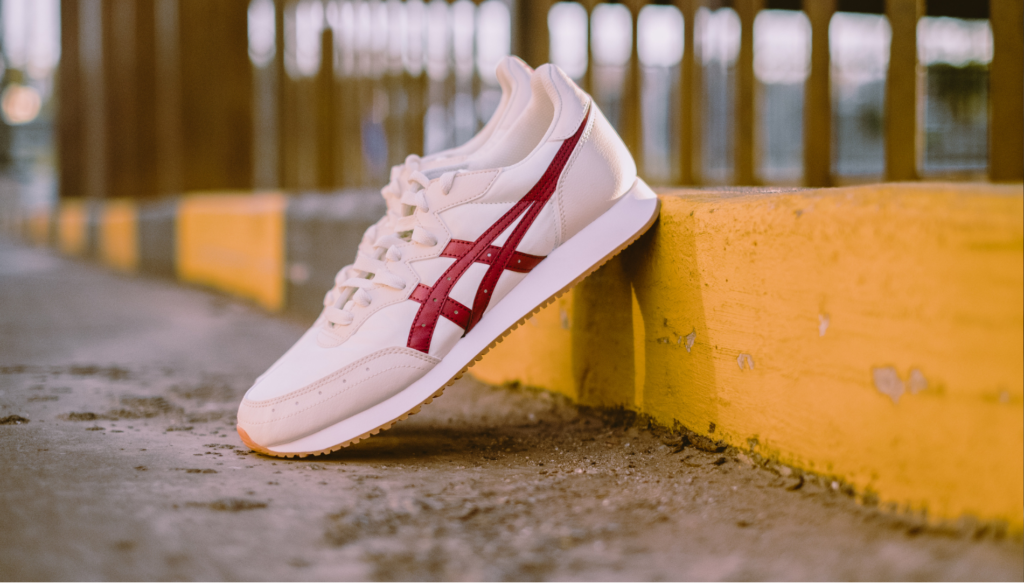
Why Are People Switching to Minimalist Shoes?
Natural foot movement shoes are popular because they are believed to support the feet and encourage their natural movement.
There are a number of reasons why people are attracted to minimalist shoes:
- A desire for greater foot strength
- More room for the toes
- Increased awareness of the ground
- A lighter, less bulky design
- Interest in natural movement
- Popularity within running and functional fitness communities
It’s a philosophy that is simple: let your feet move more naturally, and let the muscles do more of the work.
That may be an attractive and comfortable way for some.
However, one important thing to keep in mind is that the more freedom you have, the more responsibility you will have for your muscles, tendons, and joints.
After years of having been used to shoes with high levels of cushioning or support, the abrupt switch to new shoes can put a whole new strain on the lower body.
That’s why it’s not as easy as picking the “healthier” shoe when it comes to barefoot shoes vs. traditional shoes.
What Are the Potential Benefits of Minimalist Shoes?
For some people, minimalist shoes can be a positive thing – if they’re used wisely and introduced gradually.
Potentially Greater Foot Muscle Engagement
There are numerous small muscles in your feet that help with stability and mobility. Those muscles may have to exert themselves more when there is less support from the shoe.
This is not to say that everyone should do away with supportive shoes. It is a statement that gradual changes to footwear can bring about change in the way foot muscles are used.
As with any training adaptation, increased strength takes time and proper loading.
Improved Ground Awareness
Thin soles can increase the sensory feedback that is provided from the ground. This can help increase your body awareness and foot awareness.
This is called proprioception and may be useful in some activities.
But more ground feedback does not always benefit in all environments. Walking for extended periods on hard or uneven surfaces can be very different without the cushioning beneath your feet.
More Space for the Toes
A wider toe box can improve comfort for people whose toes feel cramped in conventional footwear.
Giving the toes adequate room may reduce pressure caused by overly narrow shoes and allow more natural toe movement.
Of course, a wide toe box alone does not make a shoe suitable. Fit, activity level, cushioning, and overall foot mechanics still matter.
Changes in Walking and Running Mechanics
The topic of barefoot-style shoe biomechanics receives a great deal of attention.
Minimalist shoes might cause some people to alter their stride, such as altering the way they walk or run, or where and how their foot strikes the floor.
There are no fixed rules, though, about what the “perfect” foot strike or gait pattern should be for everyone.
Movement patterns are affected by your anatomy, strength, mobility, speed, training history, and activity.
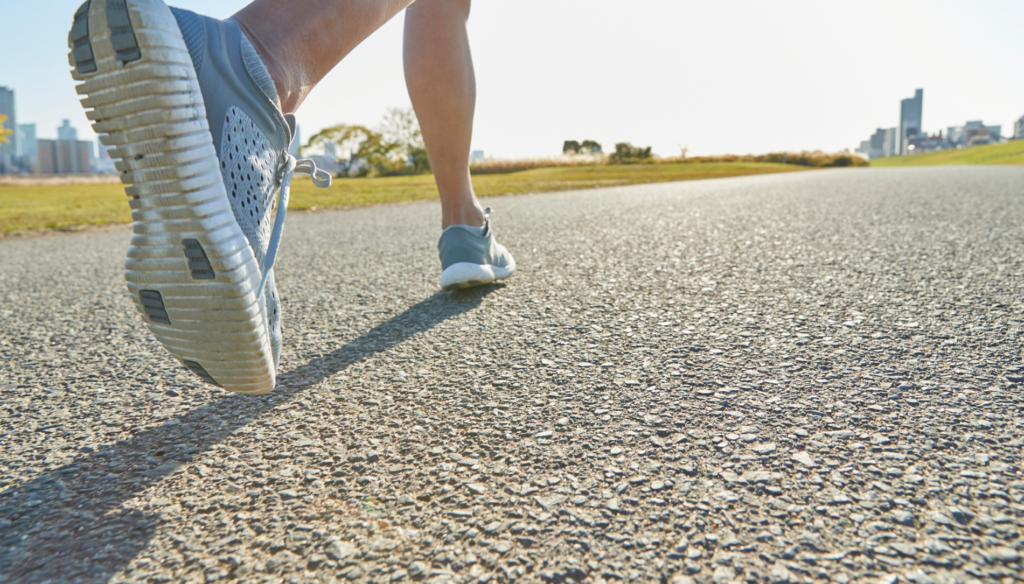
What Are the Risks of Minimalist Shoes?
The biggest concern is often not the shoe itself. It is how quickly someone changes to it.
Transitioning Too Quickly
Think about making the transition from no weight lifting to heavy lifting daily. Your body would need time to adapt.
This is the same for footwear.
An abrupt transition from thick, soft shoes to thin, hard, flexible shoes with no drop can place increased demands on the:
- Foot muscles
- Calf muscles
- Achilles tendon
- Plantar fascia
- Forefoot
- Lower-leg tissues
This is one of the most important factors behind minimalist shoe injury risk.
During a transition, some may feel a pinch in the calf or feel muscle tiredness. Some people might have more long-term issues if they are increasing too rapidly in their activity or exposure.
Less Cushioning on Hard Surfaces
Minimalist shoes provide less material between your foot and the ground.
Not everything cushioned is necessarily good, and not everything lean is necessarily bad. However, it alters the way that your body takes in and spreads forces.
If you walk for hours on concrete or already have joint pain, a significant decrease in cushioning might not be desirable.
Not all feet are suited to less support.
The topic of arch support minimalist shoes is often oversimplified.
Some people are told that all arch support is bad. Others are told that everyone needs as much support as possible.
Neither statement applies to every person.
Some individuals are comfortable in minimalist shoes, while others may need additional support based on their symptoms, foot structure, mobility, or activity demands.
The goal should be finding footwear that works for your body rather than following a universal rule.
Ignoring Pain
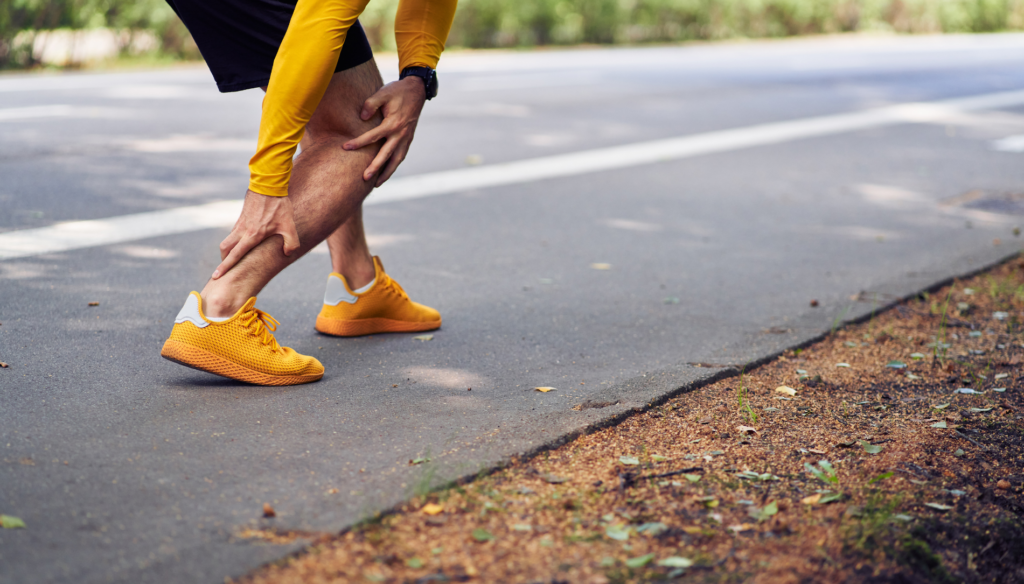
Some muscle fatigue is normal after engaging in a new activity, but it’s not sharp, persistent, or worsening pain.
If the footwear change causes swelling, more foot pain, a lot of pain in the Achilles area, or pain that alters how you use your foot, it is time to stop and re-evaluate.
If you are in pain, it’s not something you should push through to prove your feet can adapt.
Who Should Be Especially Cautious About Minimalist Shoes?
Minimalist shoes do not necessarily need to be unsuitable for all people who have a foot issue. But for some, it’s best to consult individual counsel before altering their footwear.
Individuals with: may need extra care:
- Diabetes-related foot complications
- Reduced sensation or peripheral neuropathy
- Poor circulation
- Injuries that the athlete is experiencing at the time of the assessment.
- A recent stress fracture
- Ongoing and unexplained foot pain
- Ongoing Achilles tendon problems
- A noticeable pain in the bottom of the foot.
- Balance and/or stability issues
- Recurrent foot or lower-leg injuries.
- Recent foot or ankle surgery
That doesn’t mean that everybody in these categories needs to give up minimalism forever with their shoes.
It’s about making shoe choices after an individual assessment, instead of a trend, online reviews, or a recommendation from an influencer.
Your feet are unique and come with their own set of strengths, history, and limitations.
Who Can Benefit From Minimalist Shoes?
For healthy, active people who don’t have a lot of foot pain or other issues, minimalist shoes might be suitable.
Candidates may be considered to be people who:
- Choose a shoe with a more substantial toe box.
- Wanna Buy shoes that aren’t as restrictive?
- Want to slowly build up foot strength.
- Have adequate mobility and conditioning
- Want to experiment with different footwear
- Are willing to transition slowly
However, runners can also opt for minimalist shoes, but do not need to make drastic changes to their running regimen overnight.
That is the reason why the minimalist versus cushioned shoes debate shouldn’t be black and white.
For some, there will be a preference for minimalist shoes for some activities and more cushioned footwear for others.
This will vary depending on the distance, surface, activity, comfort, and individual needs.
How to Transition to Minimalist Shoes Safely
Whether you choose to wear minimalist shoes or not, it takes time to get used to them.
Begin with short periods.
Don’t wear your new shoes all day or on your longest workout.
Begin with short walks and observe the reaction of your feet and lower leg. Long runs or whole days on your feet may not be a good starting point, and a short walk of 10-15 minutes can be a better introduction.
Keep Your Regular Shoes
There’s no need to discard old shoes.
Alternating between your regular shoes and minimalist shoes can allow you to gradually increase exposure instead of placing a sudden demand on your body.
Build up lower legs and feet.
Your change of footwear should not be the only factor in your transition.
Exercises emphasizing foot control, calf strength, calf activity, balance, and lower-leg conditioning can help condition your body for your next type of footwear.
Listen to Your Body
Be aware of ongoing symptoms.
If you have any of the following, reduce your speed or stop:
- Sharp pain
- Increasing discomfort
- Significant swelling
- Persistent heel pain
- Worsening Achilles pain
- Walking with a limp due to pain.
You can’t win by trying to transition too quickly for your body to adapt.
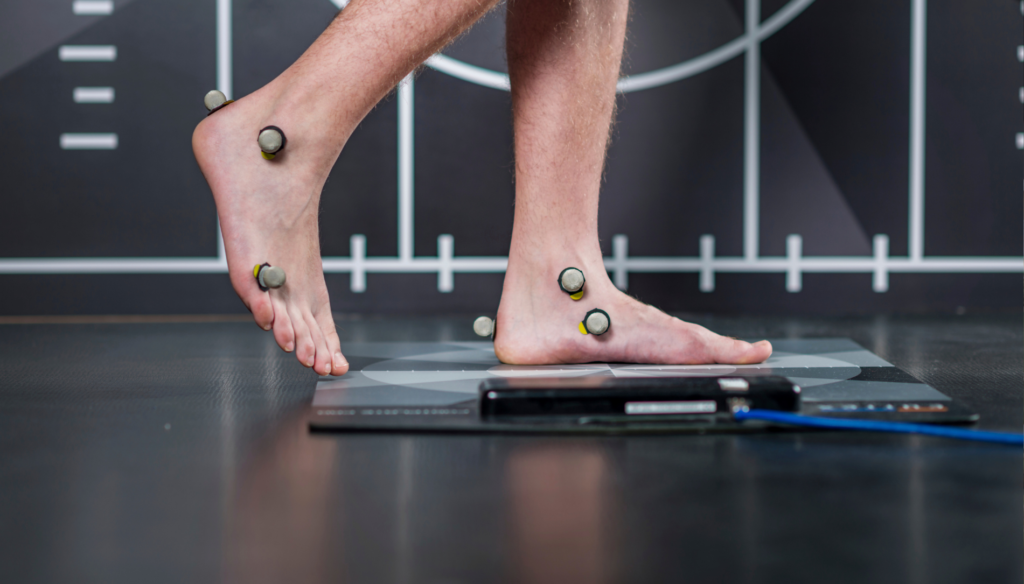
The Gait Assessment is recommended.
A gait assessment may be useful to provide information about your footwear needs and movement patterns if you are planning to change your running or walking footwear for something more significant.
Minimalist vs Cushioned Shoes: Which Is Better?
No one is a clear winner.
Minimalist shoes might offer more flexibility, awareness of the ground, and freedom of the toes. Cushioned shoes will provide greater protection, shock absorption, and support.
Not all people in either category are necessarily healthier.
Rather than asking, “Which shoe is better?”
The following is a much more useful question:
“Which shoe should I wear for my feet, my activities, and my physical needs?”
Understanding how shoes affect foot health means looking beyond trends. The fit of the shoe, the amount of pressure it places on different areas of the foot, your activity level, and your personal comfort all matter.
A fashionable shoe can still be a poor fit.
A cushioned shoe can still be uncomfortable.
A minimalist shoe can feel excellent for one person and cause problems for another.
Why a Podiatrist Visit Matters Before You Switch
Not all of the tips that work for an influencer or professional athlete will work for you.
A podiatric examination can assist in determining:
- The shape of the foot and ankle.
- Arch characteristics
- Joint mobility
- Muscle strength
- Mechanics associated with walking and running.
- Previous injuries
- Current symptoms
- Activity goals
- Footwear needs
A professional evaluation can be helpful to determine if minimalist shoes are suitable for you and how to make the switch to them safely.
The idea is not to get everyone to adopt the same shoe type.
The objective is to assist you in making a decision based on your own body.
How to Know If It’s Time to See a Specialist
You should consider seeing a specialist if you experience:
- Persistent or worsening foot pain after switching to minimalist shoes
- Sharp pain or significant discomfort while walking or exercising
- Swelling or pain that does not improve with reduced activity
- Persistent heel or Achilles tendon pain
- A noticeable change in the way you walk or run because of pain
- Balance or stability problems
- Recurrent foot or lower-leg injuries
- Ongoing foot pain, reduced sensation, or other symptoms that existed before changing footwear
A foot and ankle specialist can evaluate your foot structure, mobility, strength, gait, previous injuries, and current symptoms to help determine whether minimalist footwear is appropriate for you. A gait assessment may also help identify movement patterns and footwear considerations that can guide a safer transition.
Frequently Asked Questions About Minimalist Shoes
They can be beneficial for some people, but they are not the best option for everyone. Suitability depends on your foot structure, strength, mobility, activity level, and injury history.
They may increase the amount of work performed by the muscles of the feet and lower legs. However, adaptation takes time, and a gradual transition is important.
The minimalist shoes injury risk may increase when someone transitions too quickly or dramatically increases activity before the feet and lower legs have adapted.
Flat feet alone do not automatically determine whether minimalist footwear is appropriate. An individual assessment can help determine what level of support and footwear structure is best for your needs.
There is no single timeline. The transition should be gradual and based on how your body responds rather than a fixed deadline.
The Bottom Line: Are Minimalist Shoes Good for Your Feet?
Minimalist shoes are not inherently good or bad.
They can offer more freedom of the toes, better awareness of the ground, and deeper activation of the foot muscles for some. The risks may be higher for others, especially for those who do not transition slowly enough or who have other concerns.
The bottom line is this:
Not all shoes that are in style are the best shoes. It’s the shoe that fits your foot, supports your needs, and is right for your lifestyle.
However, if you aren’t sure about the difference between barefoot shoes and traditional shoes, you can get personalized advice.
Not sure if minimalist shoes are suitable for your feet? Make an appointment for an individual foot and gait assessment. Get answers to questions that are based on your foot, movement, activity, and individual needs, not what’s on trend online.