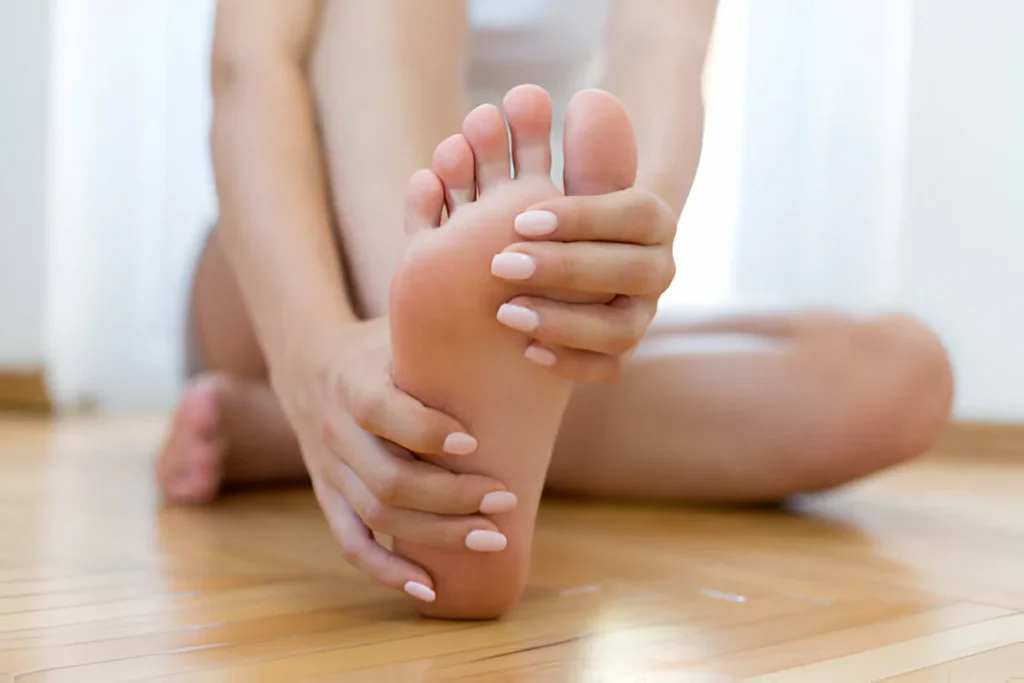

Many people assume flat feet are something you’re born with. While that’s true for some, others develop flat feet later in life-even after having normal arches for years.
If you’ve noticed your feet looking flatter, your shoes wearing unevenly, or you’re experiencing pain after walking, it’s worth paying attention. Flat feet in adults can affect much more than your feet. Left untreated, they may contribute to discomfort in your ankles, knees, hips, and even your lower back.
The good news is that not everyone with flat feet needs treatment. The key is understanding what’s causing the change and knowing when it’s time to seek professional advice.
At Platte River Foot & Ankle Surgeons, we help patients identify the cause of their symptoms and create treatment plans that keep them moving comfortably.
What Are Flat Feet?
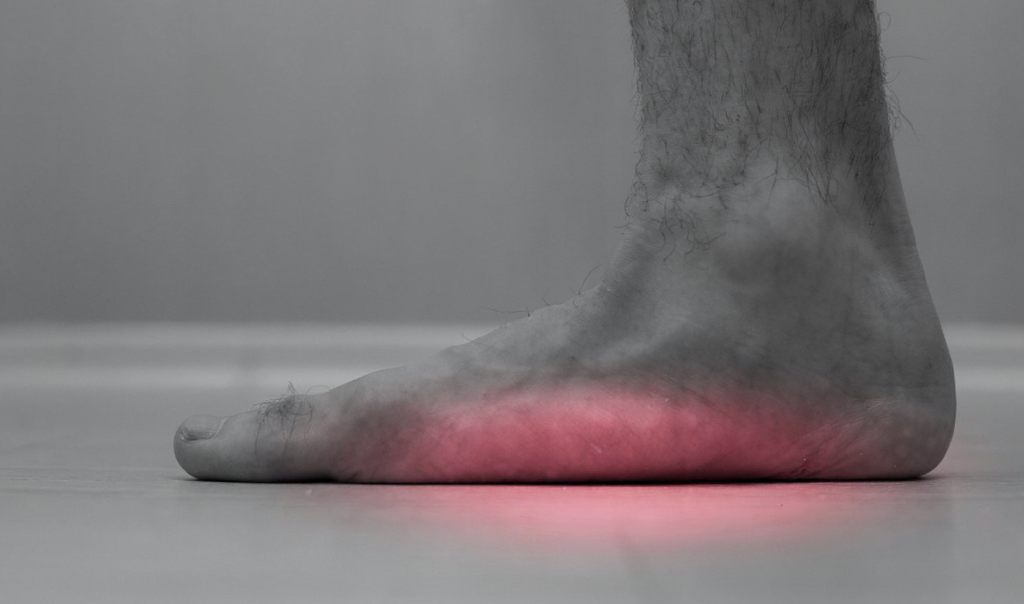
Flat feet in adults occur when the arch along the inside of the foot becomes lower or disappears completely while standing.
Some people have naturally low arches and never develop problems. Others experience a gradual arch collapse, which changes how the foot bears weight and absorbs impact.
When the arch no longer provides proper support, the rest of the foot-and often the entire leg-has to compensate.
Why Do Adults Develop Flat Feet?
One of the most common questions we hear is, why do adults develop flat feet?
There isn’t a single answer. Several factors can weaken the structures that support the arch over time.
Common causes include:
Aging
Previous foot or ankle injuries
Obesity
Arthritis
Diabetes
Repetitive stress
Genetics
Posterior tibial tendon dysfunction
For many adults, the condition develops gradually, making it easy to overlook until discomfort becomes noticeable.
What Is Posterior Tibial Tendon Dysfunction?
One of the leading causes of flat feet in adults is posterior tibial tendon dysfunction (PTTD).
The posterior tibial tendon plays an important role in supporting the arch while walking. If it becomes inflamed, stretched, or torn, the arch can slowly collapse.
Early treatment often prevents the condition from worsening, which is why persistent foot pain shouldn’t be ignored.
Common Flat Foot Symptoms
Not everyone with flat feet experiences pain, but when symptoms develop, they can interfere with daily activities.
Common flat foot symptoms include:
- Pain along the inside of the foot
- Heel discomfort
- Swelling around the ankle
- Fatigue after standing
- Difficulty walking long distances
- Shoes wearing unevenly
- Progressive flat feet pain
Many people first notice symptoms after spending long hours on their feet.
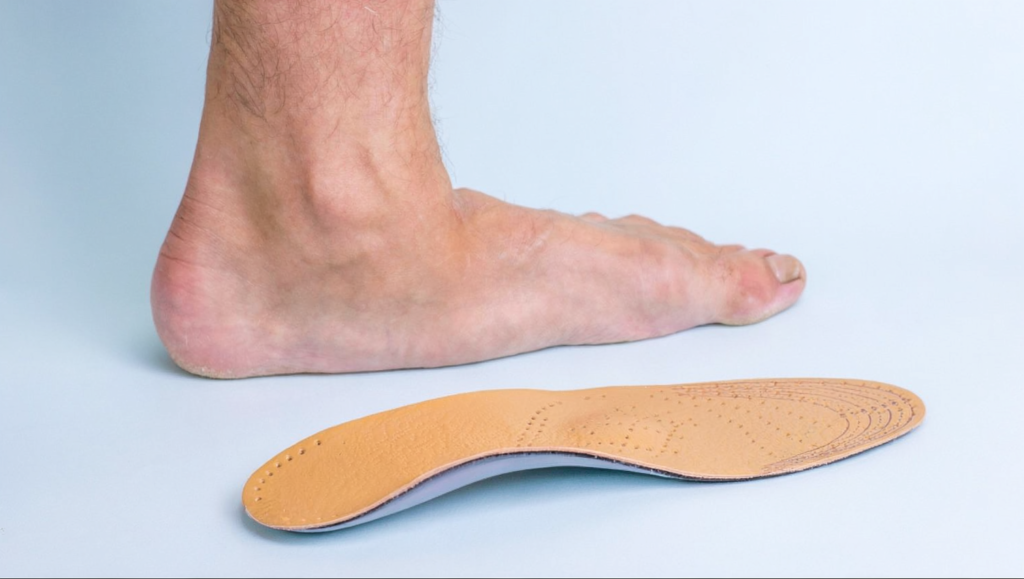
Fallen Arches vs. Flat Feet
The terms fallen arches and flat feet are often used interchangeably.
Technically, fallen arches usually describe a condition where the arch has gradually lowered over time, while flat feet can also refer to people who naturally have little or no arch.
Either way, changes in foot structure deserve evaluation if they begin causing discomfort or affecting mobility.
How Overpronation Affects Your Entire Body
Many adults with flat feet also experience overpronation.
This means the foot rolls inward more than it should while walking.
Over time, overpronation can place extra stress on:
- Ankles
- Knees
- Hips
- Lower back
- Achilles tendon
Correcting abnormal foot mechanics often improves symptoms well beyond the feet themselves.
Do Flat Feet Need Treatment?
A common question is, do flat feet need treatment?
Not always.
If flat feet in adults aren’t causing pain or limiting daily activities, treatment may not be necessary.
However, treatment is often recommended if you experience:
- Persistent flat feet pain
- Difficulty walking
- Progressive arch collapse
- Frequent ankle pain
- Changes in balance
- Reduced activity due to discomfort
The goal isn’t simply to rebuild the arch-it’s to improve function and reduce pain.
Do Flat Feet Need Treatment?
A common question is, do flat feet need treatment?
Not always.
If flat feet in adults aren’t causing pain or limiting daily activities, treatment may not be necessary.
However, treatment is often recommended if you experience:
- Persistent flat feet pain
- Difficulty walking
- Progressive arch collapse
- Frequent ankle pain
- Changes in balance
- Reduced activity due to discomfort
The goal isn’t simply to rebuild the arch-it’s to improve function and reduce pain.
How Arch Support Can Help
For many patients, proper arch support makes a noticeable difference.
Supportive footwear and custom orthotics can:
- Improve foot alignment
- Reduce stress on tendons
- Minimize fatigue
- Improve stability
- Help distribute pressure more evenly
The right arch support depends on your foot structure, activity level, and the cause of your symptoms.
Buying generic inserts isn’t always enough, especially if the problem involves tendon damage or significant arch collapse.
When Should You See a Foot Specialist?
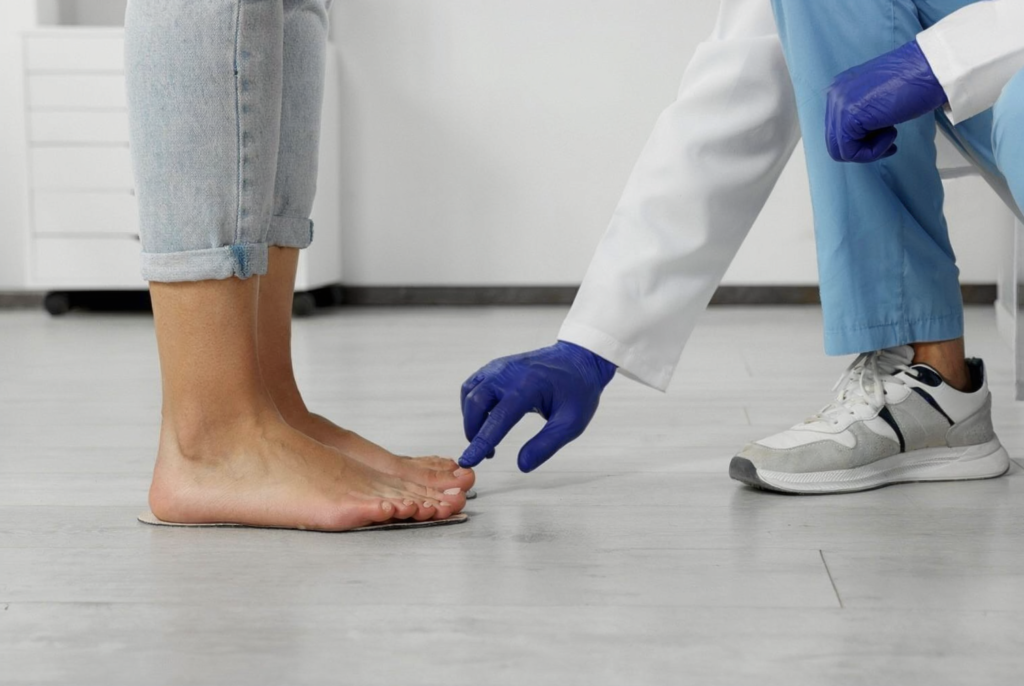
It’s time to schedule an evaluation if:
- Your arches have recently changed.
- You have persistent flat feet pain.
- One foot appears flatter than the other.
- Swelling develops along the inside of the ankle.
- Walking becomes uncomfortable.
- Your symptoms continue despite supportive shoes.
Early diagnosis can often prevent more complex problems later.
Expert Foot Care Across Nebraska
Patients throughout Omaha, Hastings, Grand Island, Gretna, Norfolk, Hebron, Kearney, Wahoo, Falls City, Auburn, and Lincoln trust Platte River Foot & Ankle Surgeons for personalized care when foot pain begins affecting daily life. Whether you’ve recently noticed fallen arches or have lived with flat feet for years, our team focuses on identifying the underlying cause and recommending treatments that fit your lifestyle.
How Platte River Foot & Ankle Surgeons Can Help
Every patient is different, which is why we begin with a comprehensive evaluation.
Depending on your condition, treatment may include:
- Custom orthotics
- Supportive footwear recommendations
- Physical therapy
- Stretching and strengthening exercises
- Activity modification
- Bracing
- Advanced surgical care when necessary
Our goal is to reduce pain, improve mobility, and help you stay active with confidence.
Frequently Asked Questions
Common causes include aging, injuries, arthritis, obesity, genetics, and posterior tibial tendon dysfunction, which can gradually weaken the arch.
Not always. If flat feet in adults aren’t causing pain or affecting daily activities, treatment may not be necessary. However, persistent symptoms should be evaluated.
Typical flat foot symptoms include heel pain, swelling, fatigue, ankle discomfort, and changes in walking or balance.
Yes. Proper arch support, especially custom orthotics when appropriate, can improve alignment, reduce discomfort, and support daily activities.
Having flat feet in adults doesn’t automatically mean you’ll develop pain or need surgery. Many people live comfortably with low arches, while others experience symptoms that gradually worsen over time.
If you’ve noticed fallen arches, increasing flat feet pain, or changes in the way you walk, don’t ignore the signs. Early evaluation can identify whether overpronation, posterior tibial tendon dysfunction, or another condition is contributing to your symptoms.
At PRFAS, we’re committed to helping you stay active by providing personalized care that addresses the cause-not just the discomfort.