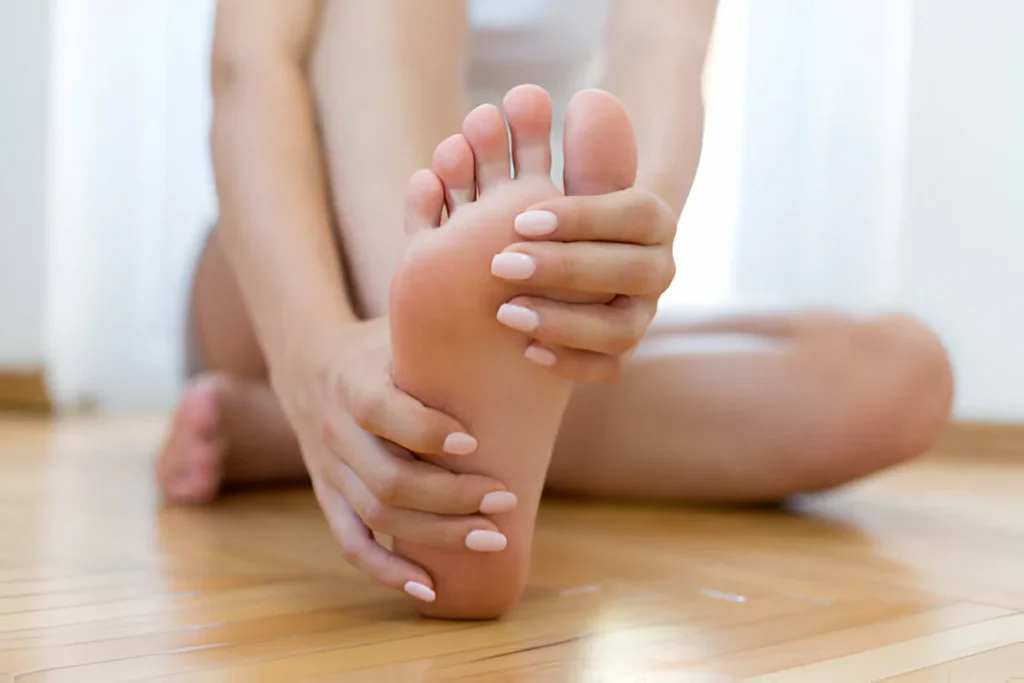



Waking up with sharp heel pain can make even the first few steps of the day uncomfortable. If you’ve been dealing with this kind of pain, plantar fasciitis may be the cause. It’s one of the most common foot conditions seen by podiatrists and often develops gradually due to repeated stress on the bottom of the foot.
The good news is that many people find relief with plantar fasciitis home treatment, especially when symptoms are mild and addressed early. However, it’s equally important to know when home care is enough and when professional treatment becomes necessary.
At Platte River Foot & Ankle Surgeons, we help patients across Nebraska and Kansas manage heel pain with personalized treatment plans that restore comfort and mobility.
What Is Plantar Fasciitis?
The plantar fascia is a thick band of tissue that runs from your heel bone to your toes. It supports the arch of your foot and absorbs the impact created when you walk, run, or stand.
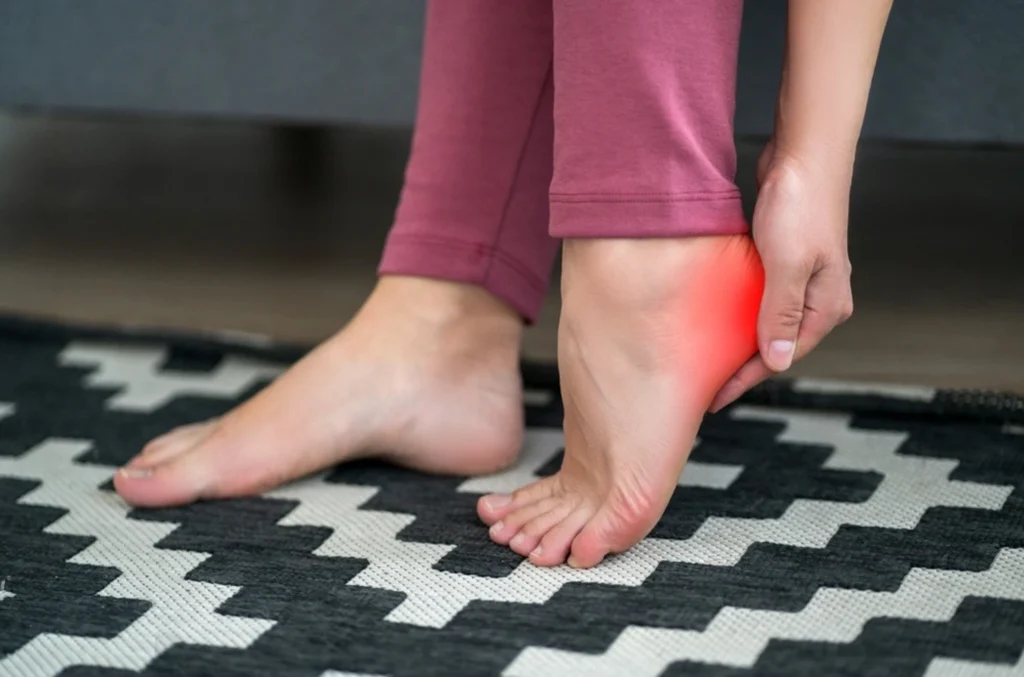
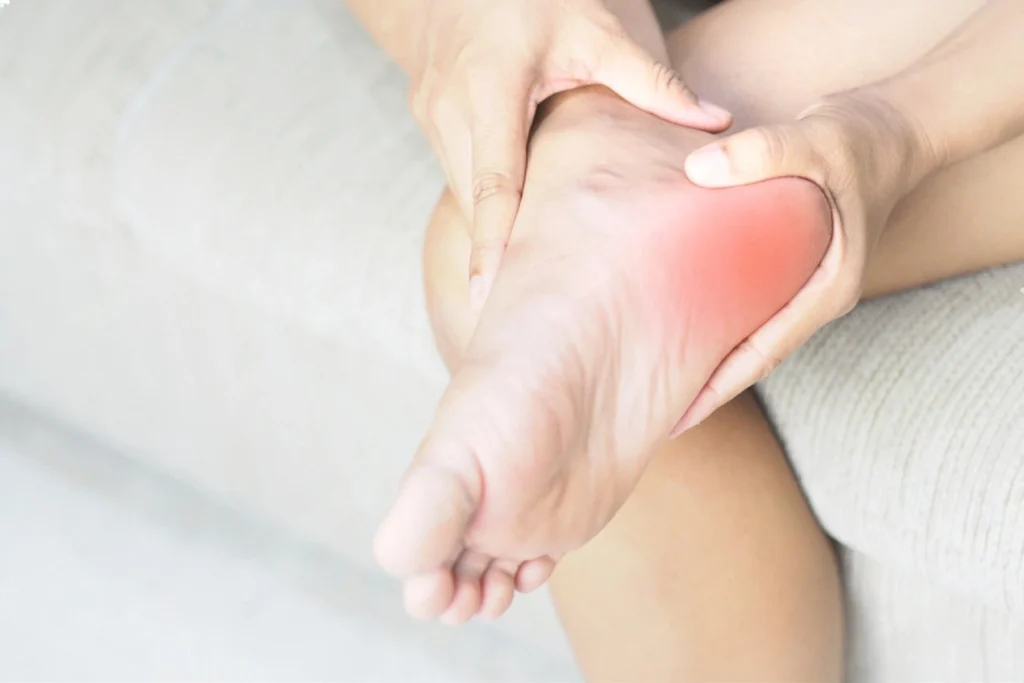
When this tissue becomes inflamed or develops tiny tears, it causes heel pain known as plantar fasciitis.
Understanding plantar fasciitis helps you choose the right treatment before the condition worsens.
What Causes Plantar Fasciitis?
Several everyday habits and physical conditions can increase your risk.
Common plantar fasciitis causes include:
- Standing for long periods
- Wearing unsupportive footwear
- Tight calf muscles
- Flat feet or high arches
- Sudden increases in exercise
- Excess body weight
- Jobs that require prolonged walking on hard surfaces
Addressing these risk factors is an important part of successful plantar fasciitis home treatment.
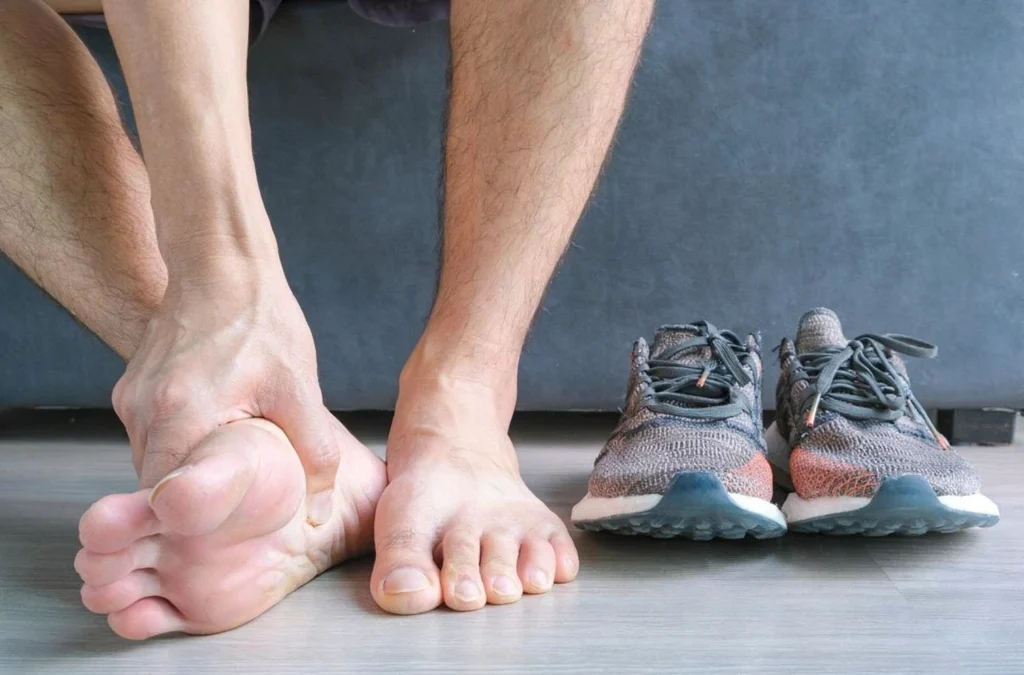
Can Plantar Fasciitis Really Be Treated at Home?
In many cases, yes.
For mild to moderate symptoms, a consistent plantar fasciitis home treatment routine can reduce inflammation, improve flexibility, and relieve pain over time.
The key is consistency. Most people don’t see lasting improvement after one or two days. Daily care often provides the best results.
1. Stretch Before Your First Steps
One of the simplest forms of plantar fasciitis self care is stretching before getting out of bed.
During sleep, the plantar fascia tightens. Stretching your calf muscles and the bottom of your foot before standing can reduce the sharp pain many people experience in the morning.
Performing gentle stretches several times a day may also improve flexibility and reduce strain on the plantar fascia.
2. Use Ice to Reduce Inflammation
Applying ice after activity is one of the most effective heel pain home remedies.
Try placing an ice pack on the painful area for 15 to 20 minutes after walking, exercising, or standing for extended periods.
Another simple option is rolling your foot over a frozen water bottle. This combines gentle massage with cold therapy to help reduce inflammation.
3. Wear Supportive Shoes Throughout the Day
Walking barefoot on hard floors can place additional stress on the plantar fascia.
Instead, choose shoes with:
- Good arch support
- Cushioned heels
- Stable soles
- Proper fit
Supportive footwear is one of the most effective ways to improve plantar fasciitis pain relief while preventing additional irritation.
4. Reduce Activities That Trigger Heel Pain
Rest doesn’t mean avoiding all movement, but reducing high-impact activities can allow the tissue to heal.
If running or jumping increases discomfort, consider temporarily switching to lower-impact activities such as swimming or cycling while continuing your plantar fasciitis self care routine.
Giving the plantar fascia time to recover is an important part of healing.
5. Massage and Roll the Foot
Gentle massage can improve circulation and reduce tightness.
Many people use:
- A tennis ball
- Massage ball
- Frozen water bottle
- Foot roller
This simple foot pain treatment at home may help relax the plantar fascia and reduce discomfort after long days on your feet.
What Helps Plantar Fasciitis Quickly?
Many patients ask, what helps plantar fasciitis quickly?
While there isn’t an instant cure, combining several treatments often provides faster improvement.
Helpful strategies include:
- Stretching daily
- Wearing supportive shoes
- Applying ice regularly
- Reducing repetitive strain
- Following a consistent plantar fasciitis home treatment plan
Most importantly, begin treatment as soon as symptoms appear instead of waiting for the pain to become severe.
When Home Treatment Isn't Enough
Although many people improve with foot pain treatment at home, persistent heel pain should never be ignored.
You should schedule a professional evaluation if:
- Pain lasts longer than several weeks
- Walking becomes difficult
- Pain returns frequently
- Swelling increases
- Home treatment no longer provides relief
Delaying treatment can allow inflammation to become chronic, making recovery more difficult.
How Platte River Foot & Ankle Surgeons Can Help
At Platte River Foot & Ankle Surgeons, we provide comprehensive evaluations for heel pain and develop treatment plans tailored to each patient.
Depending on your condition, we may recommend:
- Custom orthotics
- Physical therapy
- Night splints
- Advanced imaging when necessary
- Anti-inflammatory treatments
- Regenerative therapies
- Surgical care for severe cases
Our goal is to relieve pain while helping you return to your daily activities as safely and quickly as possible.
Compassionate Foot Care Across Nebraska
At Platte River Foot & Ankle Surgeons, we’re proud to provide expert foot and ankle care to patients throughout Omaha, Hastings, Grand Island, Gretna, Norfolk, Hebron, York, Wahoo, Falls City, Auburn, and Lincoln. Whether you’re seeking relief from persistent heel pain or looking for personalized treatment for plantar fasciitis, our experienced team is committed to helping you regain comfort, improve mobility, and get back to the activities you enjoy.
FAQs
Yes. Many patients experience significant improvement when they consistently follow a plantar fasciitis home treatment plan that includes stretching, supportive footwear, and activity modification.
Stretching, icing, supportive shoes, and reducing activities that strain the foot often provide the quickest relief.
Common causes include overuse, poor footwear, flat feet, tight calf muscles, and prolonged standing.
If your heel pain continues despite several weeks of plantar fasciitis self care, professional evaluation is recommended.
Heel pain doesn’t have to become part of your daily routine. A consistent plantar fasciitis home treatment plan can often reduce discomfort and improve mobility when started early.
However, if heel pain home remedies and foot pain treatment at home are no longer helping, professional care can identify the underlying problem and provide more advanced treatment options.
At Platte River Foot & Ankle Surgeons, we’re committed to helping you find lasting plantar fasciitis pain relief so you can get back to doing the activities you enjoy.