


Recovering from Ankle Surgery requires patience, proper rehabilitation, and understanding what exercises to avoid after ankle surgery so healing tissues are not placed under unnecessary stress. Starting the wrong movement too early can slow recovery, increase swelling, and affect long-term ankle mobility.
At Platte River Foot & Ankle Surgeons, patients receive post-surgical care, fracture treatment, foot pain management, ankle injury treatment, and mobility rehabilitation support. The clinic serves patients across Omaha, Hastings, Grand Island, Gretna, Norfolk, Hebron, York, Wahoo, Falls City, Auburn, and Lincoln, helping individuals recover safely through personalized treatment plans.
Why Avoiding Certain Exercises After Ankle Surgery Matters

After surgery, bones, ligaments, and tendons need time to heal properly. Knowing what exercises to avoid after ankle surgery helps prevent strain during this critical stage and supports safe tissue recovery.
Controlled healing allows the ankle joint to regain flexibility while reducing the risk of long-term stiffness. Many patients experience delayed recovery when they return too quickly to high-impact activities without medical clearance.
If swelling increases after movement, early follow-up with a foot and ankle specialist can help prevent complications and improve recovery progress.
7 Exercises to Avoid After Ankle Surgery
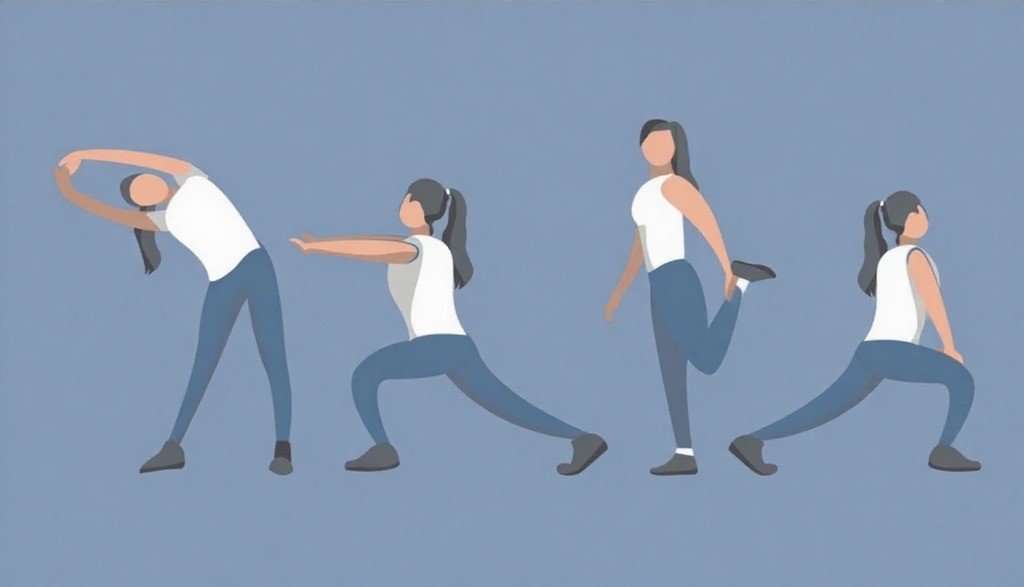
1. Running or Jogging
Running creates repeated impact on the ankle joint and is one of the main answers when patients ask what exercises to avoid after ankle surgery during early recovery.
Even short jogging sessions may trigger swelling and pain because the ankle is not yet strong enough to absorb force safely.
Doctors usually recommend waiting until full weight-bearing and stability return before resuming running.
2. Jumping Exercises
Exercises such as jump squats, skipping, or box jumps place sudden stress on healing tissues.
These explosive movements can strain repaired ligaments and slow tissue recovery if introduced too early.
Jumping should only return after strength and ankle control improve significantly.
If your ankle feels unstable while moving, professional follow-up can help adjust your recovery plan safely.
3. Deep Squats
Deep squats force the ankle into a strong bending position that may overstretch healing structures.
Patients often experience discomfort when trying lower-body exercises too early because the ankle joint has not regained full flexibility yet.
Modified shallow squats are usually introduced much later during rehabilitation.
4. Lunges
Forward lunges shift body weight directly onto the recovering ankle.
After Ankle Surgery, this movement may create excessive pressure and affect balance, especially during the early healing phase.
Doctors often delay lunges until ankle control improves through guided therapy.
5. Uneven Surface Training
Walking or exercising on uneven ground increases the risk of twisting the ankle.
Patients should avoid hiking trails, unstable outdoor surfaces, or balance challenges until strength returns.
Even a minor twist during recovery can interrupt healing progress.
Uneven surfaces may seem harmless, but they often create unexpected ankle stress.
6. High-Intensity Sports
Sports involving sudden direction changes place major stress on the ankle.
This includes:
- Basketball
- Soccer
- Tennis
- Football
Quick pivots and rapid movement can reopen inflammation if sports are resumed too early.
Returning to sports before full recovery is one of the most common reasons for delayed mobility improvement.
7. Heavy Lower-Body Weight Training
Exercises such as deadlifts, heavy squats, or leg presses place direct load on the ankle joint.
A gradual strength progression is necessary before lifting heavy weight again.
Starting too early may cause joint irritation and pain, which is why heavy training remains part of what exercises to avoid after ankle surgery until strength fully returns.
Safe Alternatives During Early Recovery
Instead of high-impact exercise, safer movement options help improve mobility without stressing the ankle.
These often include:
- Gentle ankle circles
- Resistance band movement
- Controlled calf stretches
- Seated mobility work
- Short supervised walking
Patients often recover better when they follow structured physical therapy rather than attempting advanced home workouts too early.
When Can You Resume Normal Exercise?
Recovery timelines vary depending on the type of Ankle Surgery performed.
Most patients gradually return to regular exercise within 8 to 16 weeks, but healing speed depends on:
- Surgical procedure performed
- Bone healing
- Ligament repair
- Swelling control
- Physical therapy progress
Patients should always follow surgeon recommendations before restarting exercise routines. Understanding what exercises to avoid after ankle surgery during each recovery stage often prevents setbacks.
FAQs
High-impact activities such as running, jumping, lunges, deep squats, and sports should be avoided until healing progresses.
pulvinar dapibus leo.
Yes. Excess walking, especially on uneven ground, may increase swelling and delay tissue healing.
Gym workouts should return gradually after your specialist confirms ankle strength and mobility are safe.
Patients across Nebraska can consult Platte River Foot & Ankle Surgeons for personalized post-surgical recovery support.
Knowing what exercises to avoid after ankle surgery protects your healing ankle and improves long-term mobility. Avoiding high-impact movements, unstable surfaces, and heavy loading allows the joint to recover safely.
Proper rehabilitation and specialist follow-up often determine how quickly strength, stability, and full movement return.