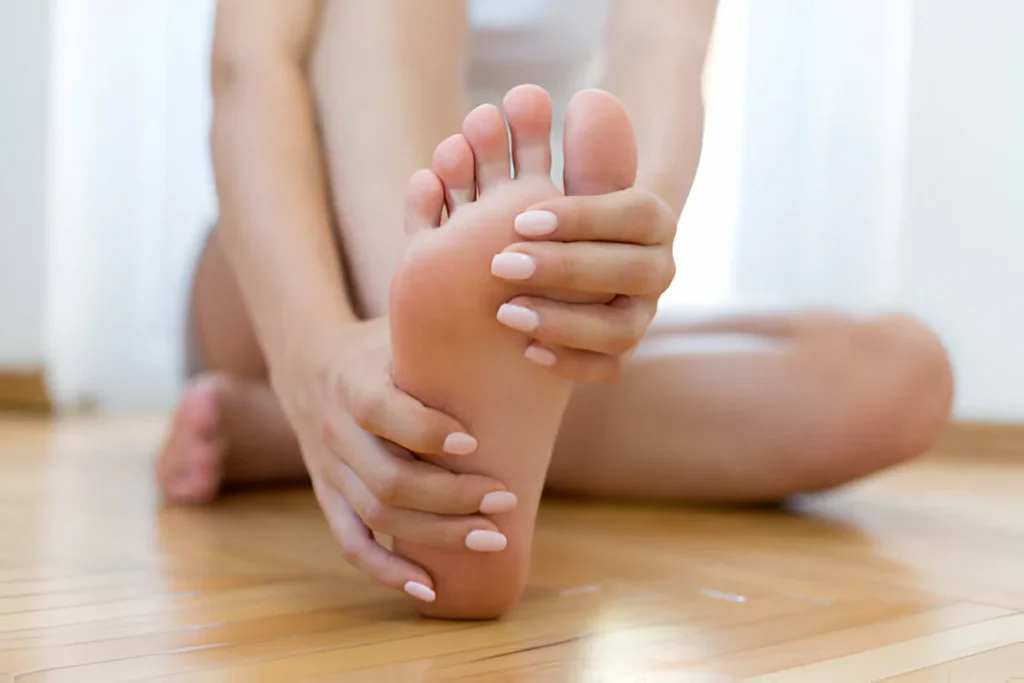

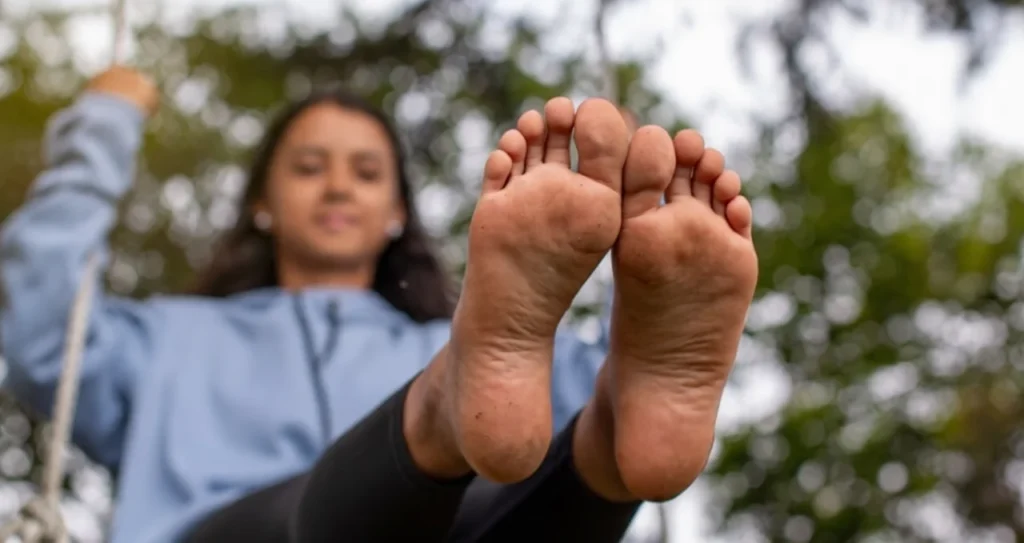
Seasonal weather changes do more than affect your wardrobe — they also play a major role in developing foot problems. From dry, cracked heels in winter to painful swelling in summer, your feet face different challenges throughout the year.
At Platte River Foot & Ankle Surgeons, we help patients across Nebraska prevent and treat weather-related foot conditions with personalized care that keeps them active in every season.
How Cold Weather Impacts Your Feet
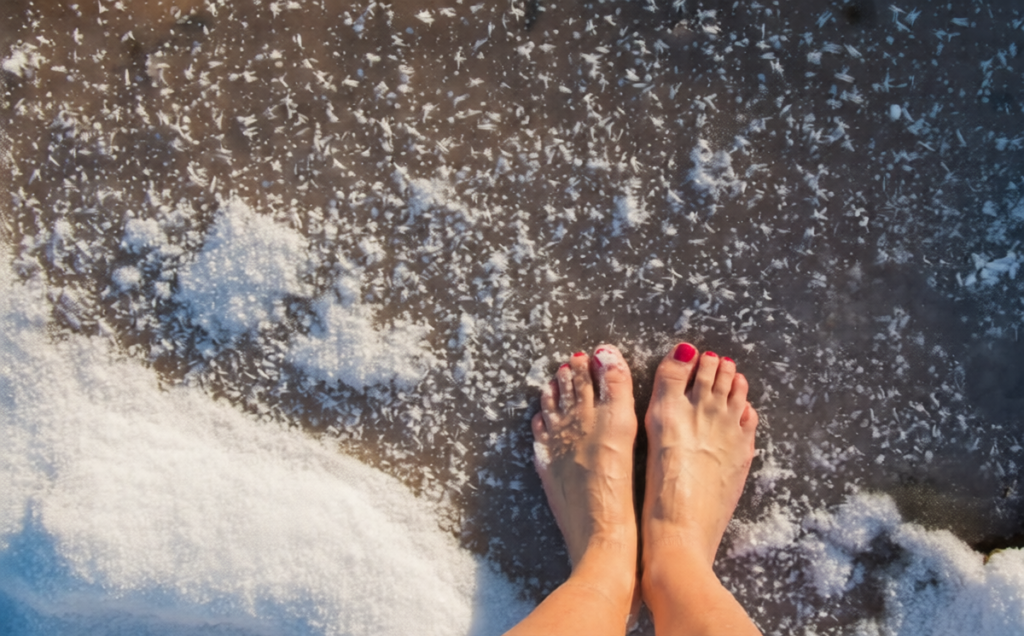
Winter often leads to increased foot problems because of low temperatures, reduced circulation, and dry indoor air. Skin loses moisture quickly, which can result in cracked heels, itching, and irritation. Tight boots and thick socks may also place extra pressure on your toes and nails.
Many patients visit us for winter feet treatment due to conditions such as chilblains, fungal infections, and worsening arthritis pain during colder months.
Summer Heat and Its Effect on Foot Health
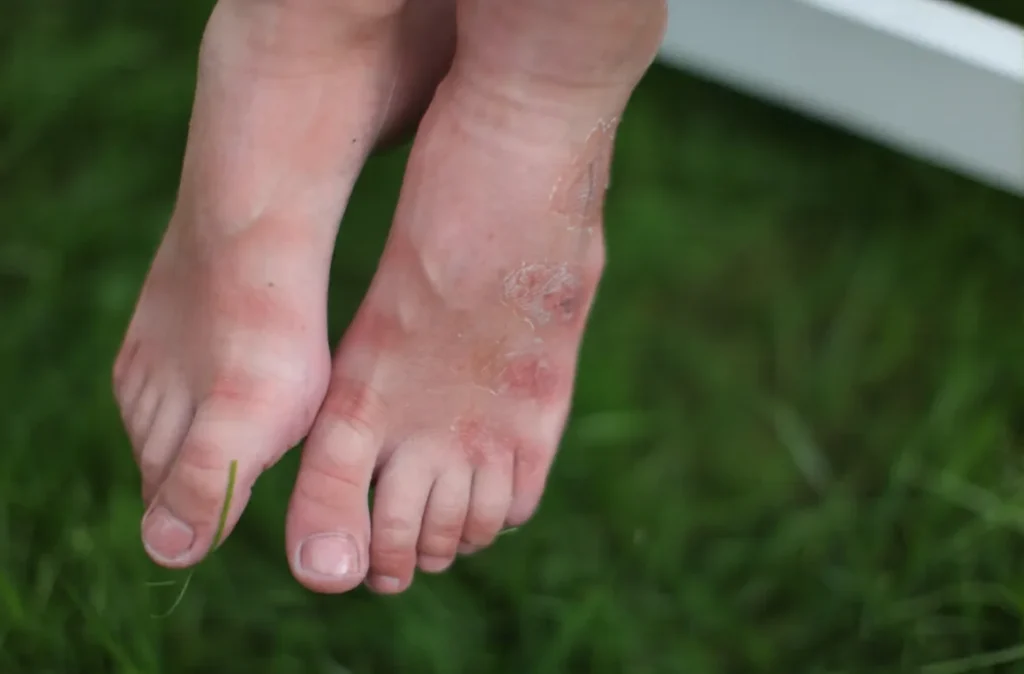
Hot weather brings a different set of challenges. Increased sweating can create the perfect environment for bacterial and fungal infections, while prolonged standing and walking can lead to swelling and fatigue. These seasonal changes are common foot pain causes, especially for active individuals.
Wearing unsupportive sandals or going barefoot for long periods can also strain the plantar fascia and lead to heel pain.
Common Seasonal Foot Problems We Treat
Weather changes can trigger or worsen several conditions, including:
- Plantar fasciitis
- Athlete’s foot
- Cracked heels
- Ingrown toenails
- Tendonitis
- Diabetic foot complications
These foot problems often become more painful when left untreated, which is why early care is essential for long-term relief.
Practical Foot Care Tips for Every Season
Simple daily habits can make a significant difference in preventing seasonal discomfort. Keeping your feet clean and moisturized in winter helps protect the skin barrier, while wearing breathable footwear in summer reduces infection risk. These foot care tips support circulation, improve comfort, and lower your chances of developing chronic conditions.
Stretching, proper nail care, and choosing supportive shoes are also essential year-round.
If home care is not enough, our podiatrists are ready to help with professional solutions.
When to See a Foot and Ankle Specialist
You should seek medical care if you notice persistent pain, skin cracks that bleed, swelling that does not improve, or signs of infection. These symptoms often indicate underlying foot pain causes that require expert diagnosis and treatment.
At Platte River Foot & Ankle Surgeons, we combine advanced technology with compassionate care to treat the root cause of your condition.
Advanced Foot and Ankle Services in Nebraska
We offer a full range of treatments to manage seasonal and chronic foot problems, including:
- Custom orthotics for proper support
- Sports injury care
- Diabetic foot management
- Treatment for fungal and nail conditions
- Tendon and ligament care
- Advanced imaging and diagnostics
- Minimally invasive foot and ankle surgery
Our goal is to restore comfort, improve mobility, and prevent future complications.
Start your personalized treatment plan with our experienced podiatry team.
Locations We Serve
Platte River Foot & Ankle Surgeons proudly cares for patients in: Omaha, Lincoln, Grand Island, Hastings, Gretna, York, Wahoo, Auburn, and Falls City. and surrounding Nebraska cities.
Expert foot and ankle care is always close to home, no matter the season.
Protect Your Feet All Year Long
Healthy feet require consistent attention in both hot and cold weather. By following the right foot care tips and seeking early treatment for any discomfort, you can prevent minor issues from becoming serious conditions.
Our team is here to help you stay active, comfortable, and pain-free throughout the year with customized care designed for your needs.
FAQs
Yes. Reduced circulation and joint stiffness in winter can increase discomfort, especially for patients with arthritis or nerve conditions.
Heat causes blood vessels to expand, leading to fluid buildup and swelling in the feet and ankles.
Professional care, moisturizing treatments, and custom orthotics help relieve pressure and promote healing.
If pain, skin damage, or infection does not improve with home care, a medical evaluation is recommended.