


If you’re living with diabetes and dealing with ongoing foot discomfort, you may be facing diabetic foot concerns that affect more than just the skin or nerves. Diabetes can quietly impact the bones and joints as well, making everyday movement uncomfortable-and sometimes risky.
At Platte River Foot & Ankle Surgeons, we help patients across Omaha and nearby areas understand how diabetic foot conditions develop and what steps they can take to protect long-term foot health.
Why Diabetes Affects Foot Bones and Joints
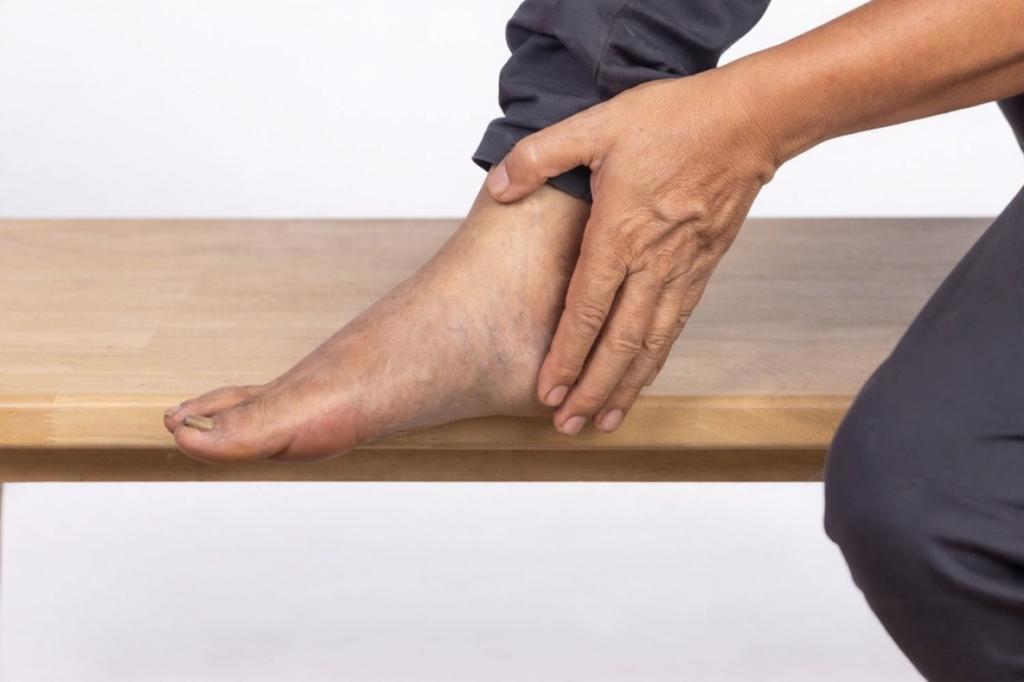
Diabetes can reduce blood flow and weaken the body’s ability to repair tissue. Over time, this affects the structure of the foot, leading to several bone- and joint-related diabetic foot concerns. When circulation and nerve function decline, bones become more fragile, and joints lose stability.
This combination increases the risk of injuries that may not be felt right away because of reduced sensation.
Common Diabetic Foot Conditions That Affect Bones & Joints
1. Charcot Foot
One of the most serious diabetic foot conditions is Charcot foot. Nerve damage reduces sensation, so small fractures may go unnoticed. As the patient continues walking, the bones weaken, collapse, and shift out of alignment. If untreated, this can severely deform the foot.
2. Osteoarthritis Progression
High blood sugar can damage cartilage, increasing stiffness and pain in the joints. Patients often experience difficulty walking, especially in the midfoot and ankle.
3. Stress Fractures
Because diabetes affects bone density and healing, minor injuries can turn into stress fractures. These fractures may not cause noticeable pain at first, which makes early detection challenging.
How Poor Circulation Impacts the Bones
Reduced blood flow is one of the most overlooked diabetic foot concerns. When circulation weakens, the bones and joints don’t receive the nutrients they need. This slows healing, increases inflammation, and makes the feet more susceptible to injury.
Patients may notice increased stiffness, swelling, or pain after activity-signs that circulation is not supporting the foot as it should.
How Nerve Damage Makes Foot Problems Harder to Detect

Neuropathy, a common complication of diabetes, reduces the ability to feel pain or pressure. This can allow diabetic foot conditions such as fractures, sprains, or infections to progress without the patient realizing it.
By the time symptoms appear, the injury may already be advanced.
How to Protect Your Foot Bones & Joints If You Have Diabetes
1. Schedule Routine Foot Exams
Regular visits help detect early signs of bone or joint changes. Our providers serve patients across Omaha, Gretna, Lincoln, Grand Island, Hastings, Hebron, York, Wahoo, Falls City, and Auburn in Nebraska.
2. Keep Blood Sugar Levels Stable
Good glucose control reduces inflammation and supports bone health.
3. Wear Proper Footwear
Supportive shoes help reduce pressure and protect fragile bones.
4. Report Any Changes Early
Swelling, warmth, or redness-even without pain-may signal serious diabetic foot concerns.
5. Use Custom Orthotics
Orthotics help align the foot, reduce pressure on joints, and prevent injuries.
When to See a Specialist
You should seek professional care if you notice:
- New swelling or redness
- Warm spots on the foot
- Increased stiffness or instability
- Difficulty walking
- Sudden changes in foot shape
- Persistent joint pain
These symptoms may indicate early diabetic foot conditions that require immediate attention.
Protect Your Feet - and Your Mobility
Understanding how diabetes affects the foot’s bones and joints is the first step in preventing complications. With early intervention, proper footwear, and ongoing monitoring, you can stay active and reduce long-term risks.
At Platte River Foot & Ankle Surgeons, we help patients manage diabetic foot concerns with personalized treatment plans and advanced diagnostics.