Introduction
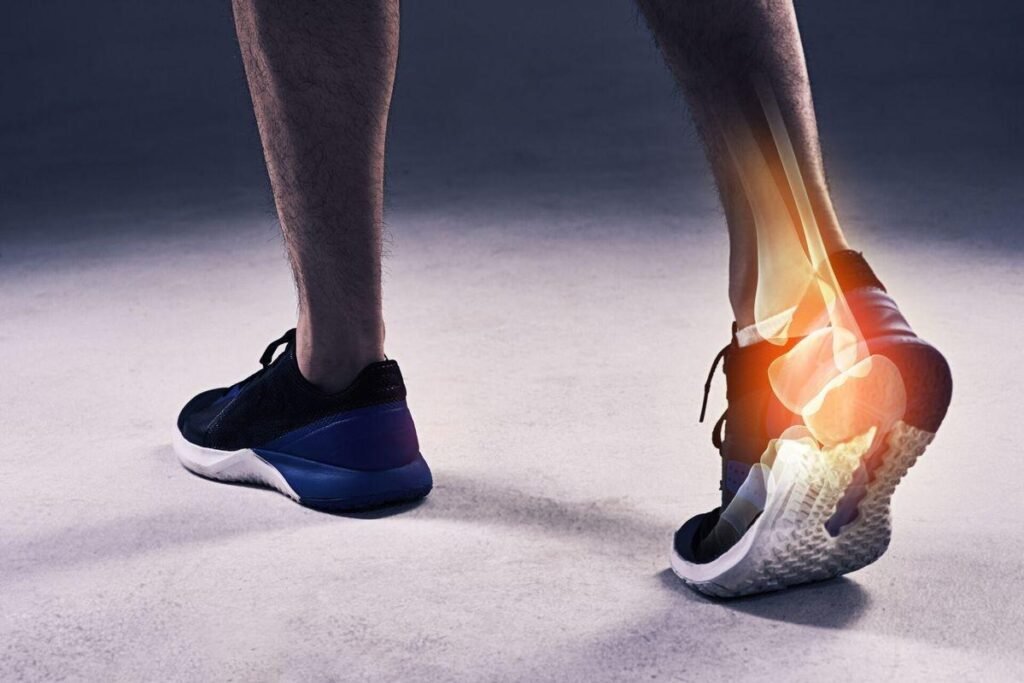
The dull ache at the back of your heel can be easy to overlook.
Maybe it hurts when you first get out of bed. Perhaps you notice it in the first few minutes of your run, but it subsides after you warm up. So, of course, you say to yourself, “It’s probably nothing. It’ll pass.”
Sometimes, little aches just go away.
However, Achilles tendon pain is one of those issues that can get a lot worse if you keep going through it. A relatively minor overuse injury can progress to serious damage to the Achilles tendon and, in some instances, a painful tear of the tendon.
The tricky part? Your body doesn’t always warn you right away.
Let’s discuss what really can occur if you ignore that persistent heel pain and why getting the problem evaluated early by experienced foot and ankle specialists could help save you a much longer recovery later.
It Usually Starts Small, And That's the Problem
Many people don’t experience Achilles pain after a dramatic sports injury.
There is no fall. No loud pop. No acute difficulty in walking.
Rather, it tends to creep up slowly.
This may be a slight pain over the top of the heel after walking, running, a game of tennis, or exercise. The area may be tight in the morning or after sitting for a period of time. After you begin moving, the pain might feel better.
This is a temporary improvement, which is why many people overlook the issue.
One of the most common causes is Achilles tendonitis or Achilles tendinopathy. When the tendon is overloaded, particularly if you suddenly ramp up your running, training intensity, hill running, jumping, or other high-impact activities, it can cause repetitive stress.
At first, there may be little swelling and no obvious bruising. You can still walk. You can still exercise. You may even feel mostly fine once you’ve warmed up.
But here’s the important thing: pain disappearing during activity doesn’t necessarily mean the tendon has healed.
In fact, persistent heel pain that repeatedly returns can be a sign that the tendon is struggling to handle the load you’re putting on it.
Can Achilles Tendon Pain Go Away on Its Own?
The truth is, sometimes mild symptoms can get better, particularly if you catch the issue early and limit the activities that put too much strain on your body.
Just wishing the pain would go away while doing the same thing that caused it is a whole different story.
That’s where many people get stuck.
They believe that they are “resting” when they take one or two days off. Then they’re on their feet again, running, sports, heavy exercise, or long walks. The pain comes again, and they push through it, and the cycle repeats.
True healing typically requires fixing the cause of the overloaded tendon. This may include changes in activity, gradual re-strengthening of the tendon and calf, footwear modifications, and recommendations from a health care professional.
It also doesn’t mean that complete inactivity is always the answer. Modern management often focuses on appropriate activity modification and progressive loading rather than simply doing nothing for weeks. The right approach depends on the severity and cause of your symptoms.
So, can Achilles tendon pain go away on its own?
If the pain is mild and is improving, it is not a big concern, but if it is persistent or recurring, it should be addressed.
The longer you keep loading an unhappy tendon without fixing the problem, the more likely it is that a small one turns into a large one.
What's Really Happening Inside the Tendon?
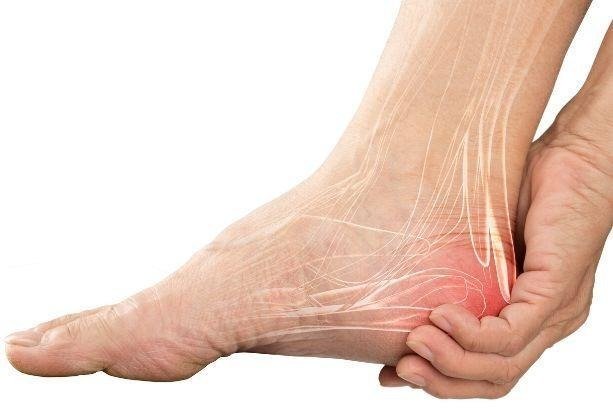
The Achilles tendon is very strong, but not indestructible.
It links your calf muscles to your heel bone, and is used a lot when you walk, run, jump, climb stairs, and push yourself up onto your toes.
If the tendon is overloaded over and over again, alterations can start to occur in the tendon.
This is where Achilles tendon damage can get more complicated than a sore muscle.
As the tendon ages, it can become painful, stiff, thickened, or less tolerant of forces applied to it. Tendon issues can also take a long time to improve, as it is important to approach loading and strengthening the tendon carefully.
But here’s the thing that makes this so tricky – you can still function reasonably well.
You might think:
“It hurts, but I can still walk.”
Or:
“Once I get going, it’s not that bad.”
Just because you can keep moving doesn’t mean the tendon is healthy, however.
If stiffness or tenderness is in the area around the tendon, if pain returns after activity, or if it becomes more frequent over time, it’s time to take a closer look.
Failure to recognize the red flags may lead to a relatively treatable overuse injury becoming more difficult to treat.
From Overuse Injury to Tendon Tear

This is what no one wants to experience.
Overloaded tendons can be more susceptible to injury. If the Achilles tendon problem is severe, it may lead to a partial or complete tear of the tendon, which is known as Achilles tendon rupture.
This may occur when a sports injury occurs, especially when doing activities that require sudden acceleration, jumping, pivoting, or explosive movements.
Professional sports injury treatment can help determine what’s causing your symptoms and what level of care may be appropriate.
Picture playing basketball, trying to catch a ball, or running and then experiencing a different feeling from the normal ache.
A sudden pop.
Sharp pain.
A feeling of someone kicking you in the back of the leg.
These are some of the classic symptoms of an Achilles tendon tear.
There are other potential warning signs, such as:
- A pop or snap at the time of injury
- Sudden sharp pain near the heel or calf
- Swelling around the back of the ankle
- A problem with pushing off the foot while walking
- Trouble standing on the affected foot on the toes.
- Lack of strength in pointing the foot down
Sometimes a partial tear will allow a person to keep walking and therefore should never be assumed that “I can still walk, so it can’t be serious.”
A total rupture is usually more disabling, but can have varying symptoms.
If you hear a pop around your heel or calf, particularly if walking or pushing off becomes difficult, get immediate medical attention.
Beyond the Tendon: The Ripple Effects of Ignoring Heel Pain
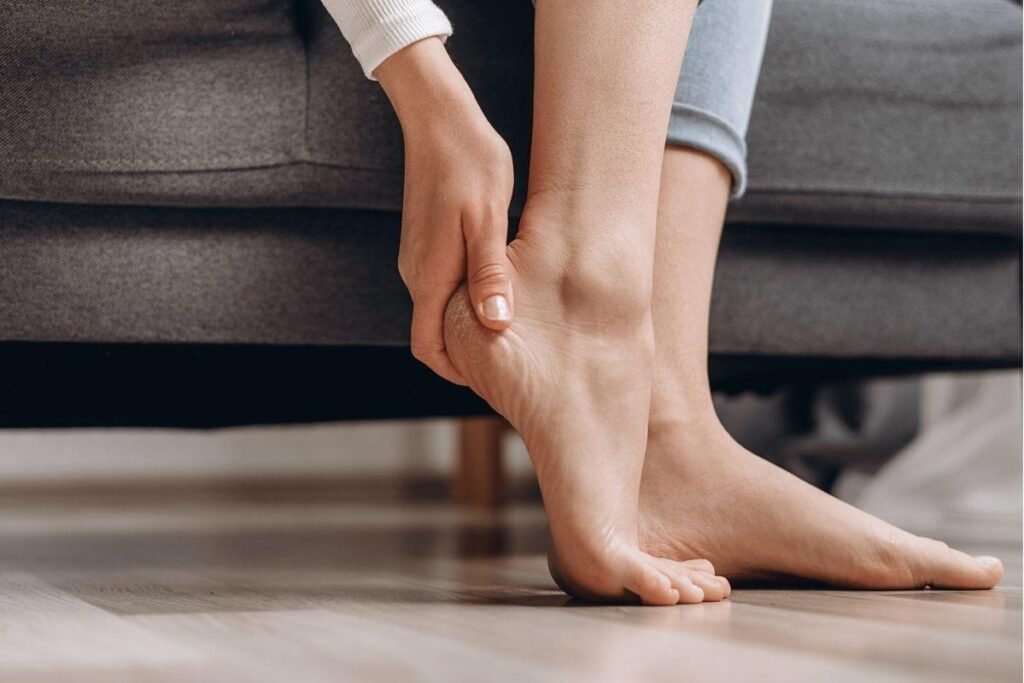
The Achilles tendon isn’t working alone.
If you experience chronic heel pain, your body will protect the painful area.
You may start limping without realizing it. You may transfer your weight to the opposite side. It’s okay to shorten your step or not push off the hurt foot.
The problem?
A change in your gait could cause extra strain on other parts of your body. This may lead to discomfort in the foot, shin, knee, hip, or lower back over time.
You may also develop another overuse injury simply because other muscles and joints are doing more work than they normally would.
For instance, Achilles pain compensation can lead to the following problems:
- Plantar fascia irritation
- Shin discomfort
- Calf tightness
- Knee pain
- Hip discomfort
If there is a lot of weakness or pain around the ankle, it can also make movement less stable for older adults or those who already have balance issues.
That is, one painful tendon can sometimes lead to a domino effect throughout the body.
This is why it’s crucial to treat the cause, not just the pain temporarily.
When Should You Stop Waiting and See a Podiatrist?
Not all pain is an emergency.
However, if the Achilles pain persists, it is not something that you should take for granted.
If you experience any of the following, you may want to consult a podiatrist or other qualified health care provider:
- Your pain isn’t improving or keeps coming back.
- Morning stiffness is present on a regular basis.
- You notice any swelling or growing tenderness.
- It is getting harder to walk, run, or climb stairs.
- You are not getting better; you’re getting worse.
- You repeatedly have to change your activity because of the pain.
- You suddenly have intense pain.
If you experience a sudden pop in the heel or calf area, particularly if you are weak or have trouble walking, get medical help as soon as possible.
Fortunately, conservative treatment, including activity modification and a progressive strengthening program, is often the initial treatment for Achilles problems.
If a tendon tear is severe, it may take a longer time to heal.
How to Know If It’s Time to See a Specialist
You should consider seeing a specialist if you experience:
- Achilles pain that does not improve or keeps coming back
- Regular stiffness or pain with your first steps in the morning
- Increasing tenderness or swelling around the Achilles tendon
- Pain that makes walking, running, or climbing stairs more difficult
- Symptoms that are getting worse despite reducing activity
- Repeatedly having to change your activities because of Achilles pain
- Ongoing weakness or difficulty pushing off with your foot
If you experience a sudden pop or snap near the heel or calf, sharp pain, significant swelling, weakness, or difficulty walking or standing on your toes, seek immediate medical attention, as these may be signs of an Achilles tendon tear.
A foot and ankle specialist can evaluate your Achilles tendon, assess the severity and potential cause of your symptoms, and recommend an appropriate treatment plan. Early evaluation may help address the problem before a persistent overuse injury becomes more difficult to treat.
Frequently Asked Questions About Achilles Tendon Pain
Some Achilles irritation may get better, especially if the activity that is causing too much stress is decreased and the underlying problem is solved. But if the pain is recurrent or persistent, it should not be ignored. If symptoms persist or get worse, it is best to seek professional advice.
Symptoms of an Achilles tendon tear include a pop or snap, a sudden sharp pain near the heel or calf, swelling, weakness, inability to push off when walking, and inability to stand on the toes of the affected foot.
Professional foot and ankle care can help identify the problem and determine the appropriate next steps.
This will depend on what your symptoms are and how severe they are. In some cases, activity may need to be adjusted rather than discontinued, and if the pain is quite severe or a rupture is suspected, immediate medical evaluation is necessary. Ongoing painful activities without direction may exacerbate the issue.
Don't Let a Small Ache Become a Major Injury
The pain just above your heel might not seem so bad right now.
Don’t delay treatment for a minor overuse injury that could become a serious Achilles tendon injury or painful tear.
Early evaluation of the problem may help you know what is causing the pain and what steps you should take to address it before your recovery becomes more difficult.
If walking, exercising, or everyday activities are becoming difficult due to Achilles pain, it may be time to see if you need an evaluation and find out what is going on before it gets worse.