


Twisting your ankle during a walk, workout, or sporting activity is surprisingly common. At first, many people assume it’s “just a sprain” and expect it to heal within a few days. But when the pain lingers or the swelling doesn’t improve, it’s natural to wonder if something more serious is going on.
The truth is, ankle sprain recovery time varies from person to person. Some sprains heal in a couple of weeks, while others can take several months-especially if they aren’t treated properly from the start.
At Platte River Foot & Ankle Surgeons, we regularly see patients who tried to “walk it off” only to discover that early treatment could have shortened their recovery.
What Happens During an Ankle Sprain?
An ankle sprain occurs when the ligaments supporting your ankle stretch beyond their normal range or tear.
Most sprains happen when the foot rolls inward, damaging the ligaments on the outside of the ankle.
The severity of the injury plays the biggest role in determining ankle sprain recovery time.
Understanding the Grades of Ankle Sprains
Not every ankle sprain is the same. Doctors classify injuries into three grades of ankle sprains.
Grade 1 (Mild)
The ligament is stretched but not torn. Typical recovery:
- Mild swelling
- Minimal instability
- Walking is usually possible
- Recovery often takes 1-3 weeks
Grade 2 (Moderate)
The ligament is partially torn. Symptoms often include:
- Moderate swelling
- Bruising
- Pain when walking
- Some joint instability
Recovery typically takes 4-8 weeks, depending on treatment and rehabilitation.
Grade 3 (Severe)
The ligament is completely torn. Patients often experience:
- Significant swelling
- Severe pain
- Joint instability
- Difficulty bearing weight
Recovery may take 3 months or longer, particularly if surgery or extensive rehabilitation is required.
Knowing the grades of ankle sprains helps set realistic expectations for healing.

What's the Average Ankle Sprain Recovery Time?
Although every injury is unique, general timelines include:
- Mild sprains: 1-3 weeks
- Moderate sprains: 4-8 weeks
- Severe sprains: 3-6 months
Returning to sports too early can restart the healing process and increase the risk of another injury.
One of the biggest mistakes people make is assuming the pain has disappeared before the ligament has fully recovered.
How to Know if an Ankle Sprain Is Serious
Many patients ask, how to know if an ankle sprain is serious?
Seek professional evaluation if you notice:
- Inability to bear weight
- Severe swelling immediately after injury
- Significant bruising
- The ankle feels unstable
- Persistent pain after several days
- Visible deformity
- Numbness or tingling
These symptoms may indicate a severe ligament injury or another condition requiring medical attention.
Ankle Sprain vs Fracture: How Can You Tell?
It isn’t always easy to distinguish an ankle sprain vs fracture without an examination.
Both injuries can cause:
- Swelling
- Bruising
- Pain
- Difficulty walking
However, fractures often produce:
- Pain directly over the bone
- Severe tenderness
- Inability to bear weight
- Obvious deformity in some cases
Because symptoms overlap, imaging such as X-rays may be necessary to confirm the diagnosis.
Never assume it’s “only a sprain” if you’re unable to walk comfortably.
Why Is My Ankle Sprain Not Healing?
One of the most common questions we hear is, why is my ankle sprain not healing?
Several factors may slow recovery:
- Returning to activity too soon
- Incomplete rehabilitation
- Undiagnosed ligament damage
- Hidden fractures
- Tendon injuries
- Chronic ankle instability
- Poor footwear
- Repeated ankle sprains
Persistent symptoms deserve professional evaluation rather than continued self-treatment.
Managing Ankle Swelling and Pain
Early treatment can improve comfort and support healing.
To reduce ankle swelling and pain, consider:
- Resting the injured ankle
- Applying ice for 15-20 minutes several times daily
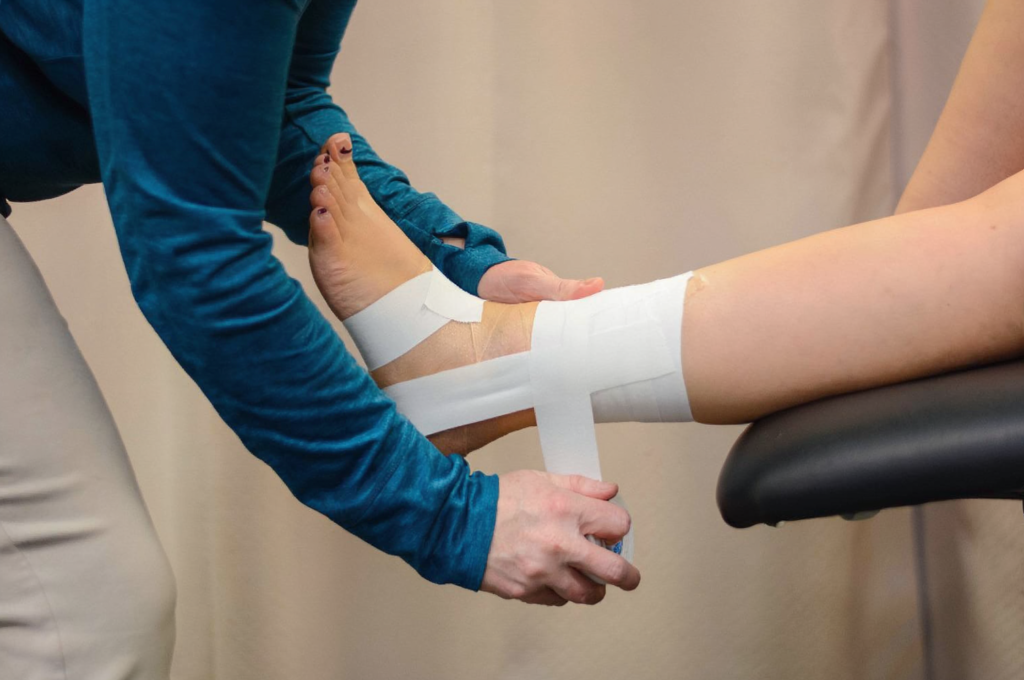
- Using compression bandages
- Elevating the foot above heart level
- Following your specialist’s rehabilitation plan
Gentle movement is often introduced as healing progresses, but this should be guided by your healthcare provider.
Rehabilitation Is Just as Important as Rest
Many patients think recovery ends once the pain decreases.
In reality, strengthening exercises help restore:
- Balance
- Flexibility
- Stability
- Muscle strength
- Joint control
Skipping rehabilitation increases the likelihood of future ankle injuries.
One of the biggest influences on ankle sprain recovery time isn’t simply healing-it’s completing the rehabilitation process properly.
Expert Care When You Need It Most
Patients from Omaha, Hastings, Grand Island, Gretna, Norfolk, Hebron, Kearney, Wahoo, Falls City, Auburn, and Lincoln trust Platte River Foot & Ankle Surgeons for expert evaluation and treatment of ankle injuries. Whether you’re dealing with a recent sprain or wondering why your recovery is taking longer than expected, our team develops personalized treatment plans to help you heal safely and regain confidence in every step.

How Platte River Foot & Ankle Surgeons Can Help
Our team performs a thorough evaluation to determine exactly what’s causing your symptoms.
Depending on your injury, treatment may include:
- Digital imaging
- Bracing
- Physical therapy
- Activity modification
- Custom orthotics
- Regenerative treatments when appropriate
- Surgical treatment for severe ligament injuries
Our goal is to restore ankle stability while helping you return safely to work, exercise, and everyday activities.
Frequently Asked Questions
Typical ankle sprain recovery time ranges from one to three weeks for mild sprains, four to eight weeks for moderate injuries, and several months for severe ligament tears.
Heel pain first steps usually occur because the plantar fascia tightens overnight and stretches suddenly when you begin walking.
Delayed healing may result from incomplete rehabilitation, ligament damage, tendon injuries, or an undiagnosed fracture.
Both injuries share similar symptoms, but fractures often require imaging to confirm the diagnosis and typically involve pain directly over the bone.
Recovering from an ankle sprain takes more than simply waiting for the pain to disappear. The severity of the injury, appropriate treatment, and proper rehabilitation all influence ankle sprain recovery time.
If you’re experiencing persistent ankle swelling and pain, wondering how to know if an ankle sprain is serious, or asking yourself why my ankle sprain is not healing, don’t ignore the symptoms. Early diagnosis and expert care can make a significant difference in both your recovery and long-term ankle health.